Seizures service image
Seizures

Seizures:- What is a seizure? A seizure (pronounced “see-zhr”) is a surge of abnormal electrical activity in your brain. The most recognizable symptoms of a seizure are a temporary loss of consciousness and uncontrollable movements (convulsions). Not all seizures look the same. You might stop what you’re doing and stare off into space for a few seconds. You might jerk your arm or feel your muscles twitch. You might only have one seizure in your life or have multiple seizures per day. Your experience with seizures can be very different from someone else’s. There are many possible causes of seizures because a lot of things can interfere with your brain’s typical electrical patterns. These range from changes to your blood sugar levels to an illness, injury or underlying condition. Symptoms Symptoms vary based on the type of seizure. They also can range from mild to serious. Seizure symptoms may include: Short-lived confusion. A staring spell. Jerking movements of the arms and legs that can't be stopped. Loss of consciousness or awareness. Changes in thinking or emotions. These may include fear, anxiety or a feeling of already having lived the moment, called deja vu. Most seizures fall into one of two classes called focal or generalized. The classes are based on how and where the brain activity causing the seizure began. If health professionals don't know how the seizures began, they may say the seizures are of unknown onset. What are the types of seizures? There are two main types of seizures: Generalized seizures (generalized onset seizures): Electrical activity starts on both sides of your brain at the same time. You may shake both sides of your body, shake one side or only stare and stop what you’re doing. Usually, it affects kids or young adults, but it can occur at any age. Focal seizures (focal onset seizures): Electrical activity begins on one side or “focus” of your brain. Symptoms usually affect one side of your body and may or may not affect your awareness. This means that you may or may not remember the seizure. Focal seizures may stay focal or may spread to both sides. Generalized seizure types The types of generalized seizure disorders include: Absence seizures: You stop what you’re doing and have a blank stare. Atonic seizures (drop seizures): You lose muscle control and drop to the ground suddenly. Clonic seizures: You’ll shake both sides of your body and pass out or shake one side and not pass out. Myoclonic seizures: These involve a quick jerk or twitch that affects one muscle or a group of connected muscles. Secondary generalized seizures: You have a focal seizure (electrical activity starts in one part of your brain) followed by a generalized seizure (electrical activity spreads to both sides of your brain). Tonic-clonic seizures: Your muscles stiffen, you lose consciousness and have convulsions. Tonic seizures: You pass out and your muscles tighten up but you don’t have convulsions. Focal seizures Focal seizures result from electrical activity in one area of the brain. This type of seizure can happen with or without passing out, called losing consciousness. Focal seizures with impaired awareness. These seizures involve a change or loss of consciousness or awareness that feels like being in a dream. During these types of seizures, people may seem awake. But they stare into space and don't respond to anything around them. They may repeat movements such as hand rubbing and mouth movements, repeat certain words, or walk in circles. They may not remember the seizure or even know that it happened. Focal seizures without impaired awareness. These seizures may change emotions. They also may change how things look, smell, feel, taste or sound. But people having a focal seizure don't pass out. During these types of seizures, people may feel angry, joyful or sad. Some people have nausea or odd feelings that are hard to describe. These seizures may cause trouble speaking and jerking of a body part such as an arm or a leg. They also may cause sudden symptoms such as tingling, dizziness and seeing flashing lights. Symptoms of focal seizures may seem like those of other conditions of the brain or nervous system. These other conditions include migraine, mental illness or a condition that affects how the brain manages sleep-wake cycles, called narcolepsy. Generalized seizures Seizures that appear to involve all areas of the brain from the time they start are called generalized seizures. Types of generalized seizures include: Absence seizures. Absence seizures often happen in children. These seizures once were called petit mal seizures. People who have absence seizures most often stare into space or make slight body movements such as eye blinking or lip smacking. The seizures most often last for 5 to 10 seconds. Absence seizures can happen up to hundreds of times a day. They can come in clusters. And they can cause a brief loss of awareness. Tonic seizures. Tonic seizures cause muscles to get stiff. These seizures most often affect muscles in the back, arms and legs. People who have these seizures may pass out and fall to the ground. Atonic seizures. Atonic seizures cause a sudden loss of muscle use, most often in the legs. They're also called drop seizures. People having this type of seizure may collapse. Clonic seizures. Clonic seizures are linked with jerking muscle movements. These seizures usually affect the neck, face and arms on both sides of the body. Myoclonic seizures. Myoclonic seizures most often cause sudden brief jerks or twitches of the arms and legs. People who have these seizures don't often pass out. Tonic-clonic seizures. Tonic-clonic seizures are the most common type of generalized seizure. They once were called grand mal seizures. They can cause passing out, body stiffness and shaking. They sometimes cause people to urinate or to bite their tongues. Tonic-clonic seizures last for several minutes. Tonic-clonic seizures may start as focal seizures that spread to involve most or all of the brain. Seizure stages Seizures can have a beginning phase, a middle phase and an end phase. These phases also are called prodrome, ictal and postictal. Prodrome. This is the earliest warning that a seizure may happen. During the prodrome, people may have a hard-to-describe sense that a seizure may happen. They also may have changes in behavior. This can happen in the hours or even days before a seizure. The prodrome stage may include an aura. The aura is the first symptom of a seizure. Symptoms during the aura may include the feeling that a person or place is familiar, called deja vu, or a feeling that a person or place is not familiar. Or people may simply feel strange, feel fear or panic, or even have good feelings. Symptoms also may include smells, sounds, tastes, blurred vision or racing thoughts. Most often, auras are feelings that are hard to describe. The prodrome may include headache, numbness, tingling, nausea or dizziness. Many people with seizures have a prodrome or aura. But some people do not. Ictal phase. The ictal phase lasts from the first symptom, including the aura, to the end of the seizure. Symptoms of the ictal phase depend on the type of seizure. Postictal phase. This is the period after a seizure during recovery. The postictal stage can last minutes or hours. Some people recover quickly, while others take hours. The length of the postictal phase depends on the type of seizure and what part of the brain was affected. During this phase, people may be slow to respond, have trouble with memory, and have trouble talking or writing. They may feel sleepy, confused, dizzy, sad, scared, anxious or frustrated. They also may have nausea, a headache or weakness. They may feel thirsty or urinate. What are the symptoms of a seizure? Seizure symptoms vary based on the type and severity, but may include: Loss of consciousness. Uncontrollable movements (convulsions, muscle spasms, jerking). Staring. Other symptoms may include: Sudden emotional changes (confusion, fear, joy, anxiety). Teeth clenching. Drooling. Abnormal eye movements. Loss of bladder or bowel control. Noise making (grunting or snorting). These symptoms are temporary and only last for a few seconds to minutes. What are the warning signs of a seizure? Warning signs of a seizure may include: Sensory symptoms: Seeing bright lights or distortions in how objects appear, hearing unexpected sounds, sudden unexpected tastes (metallic or bitter) or smells and strange feelings on your skin (numbness or tingling). Emotional changes: Strong emotions like fear or joy, déjá vu (when a new experience somehow feels familiar) or jamais vu (when a familiar experience somehow feels new). Autonomic symptoms: These affect body systems that your brain runs automatically, like sweating, making too much saliva (drooling), an upset stomach and pale skin. Not everyone experiences warning signs before a seizure. What causes a seizure? A surge of electrical activity in your brain causes a seizure. Neurons (nerve cells) communicate by sending electrical signals to different parts of your brain. When a seizure happens, the affected brain cells fire signals uncontrollably to others around them. This kind of electrical activity overloads the affected areas of your brain and causes seizure symptoms. Seizure causes fall into two main categories depending on why they happen: Provoked seizures (nonepileptic): A trigger, which could be a temporary condition or certain circumstances, causes seizure symptoms to happen. Unprovoked seizures (epileptic): Seizures happen spontaneously (randomly). They may happen often. These seizures are the primary symptom of epilepsy. Seizures without a known cause are called idiopathic seizures. Seizure triggers The following may trigger a seizure: Abnormal blood sugar levels (low or very high blood sugar). Certain medications, such as Wellbutrin® or bupropion. Flashing or flickering lights. Heat illness. High fever. Sleep deprivation. Stress. Substance use (including alcohol withdrawal). Triggers are different for each person. If you have seizures regularly, you may want to keep track of what you were doing before a seizure took place. A healthcare provider can review this information with you to determine your triggers. Conditions that cause seizures Seizures can happen for many different reasons. These include but aren’t limited to the following: Aneurysms. Brain tumors. Cerebral hypoxia. Cerebrovascular disease. Diabetes. Severe concussion and traumatic brain injury, especially ones with loss of consciousness. Degenerative brain diseases like Alzheimer’s disease or frontotemporal dementia. Eclampsia. Electrolyte problems, especially low sodium (hyponatremia), calcium or magnesium. Epilepsy (seizures that happen frequently without any clear, underlying cause). Genetic conditions. Other conditions that can cause seizures may include: Hormone-related changes. Infections (especially encephalitis, meningitis or sepsis). Inflammation from autoimmune conditions. Mental health issues (known as psychogenic seizures) like conversion disorder. Problems with how your brain developed (congenital brain abnormalities meaning occurring with birth). Strokes. Toxins and poisons (such as carbon monoxide poisoning or heavy metal poisoning). Venomous bites or stings. What are the risk factors for a seizure? Anyone at any age can have a seizure. You may be more at risk if you: Have an underlying medical condition. Have a biological family history of seizures. Are a child (under 18 years). Are over age 50. What are the complications of a seizure? Seizures often involve losing consciousness and passing out. When this happens, there’s a risk of injuries from falling or suddenly stopping what you’re doing at the time (like driving, operating machinery or climbing heights). Convulsions may cause you to smack your arms or legs on hard objects, causing cuts, bruises or broken bones. Status epilepticus happens when a seizure lasts for more than five minutes or you have more than one seizure without enough time between them to recover. Status epilepticus is a life-threatening medical emergency because it can cause brain damage or even death. Seizures and mental health Seizures can significantly impact your mental health. It’s also common to have symptoms of anxiety and depression with seizures. This may happen because seizures are distracting and can pull you away from the activities you enjoy. You may feel anxious or fearful of having another seizure. You may keep yourself up at night worrying about when the next one might happen. You might avoid going out in public or spending time with loved ones if you’re embarrassed about having a seizure in front of others. Seizures happen outside of your control, so it’s normal to have these feelings. A mental health professional can help you manage how seizures affect your emotional well-being. Diagnosis and Tests How is a seizure diagnosed? A healthcare provider, usually a neurologist, will diagnose a seizure after a physical exam, neurological exam and testing. During the exams, your provider will learn more about your symptoms and review your medical history and family health history. It often helps to have someone with you during your appointment who witnessed the seizure to explain what they noticed, as you might not remember what happened. What tests diagnose a seizure? Tests may help confirm whether you had a seizure and — if you did — what might have caused it. A key part of diagnosing seizures is finding if there’s a focal point — a specific area in your brain where your seizures start. Locating a focal point can help your provider plan for treatment. Tests to diagnose seizures include: Blood tests. Computed tomography (CT) scan. Electroencephalogram (EEG). Genetic tests. Magnetic resonance imaging (MRI). Positron emission tomography (PET) scan. Spinal tap (lumbar puncture). Providers might also recommend tests if they suspect injuries or complications from a seizure. Your provider will tell you (or someone you choose to make medical decisions for you) what tests they recommend and why. How is a seizure treated? Seizure treatment varies based on the type, severity and cause. Your healthcare provider may recommend the following: Managing any underlying causes or conditions: Your provider will first treat any underlying conditions — like a stroke or low blood sugar. This may prevent future seizures. Taking antiseizure medications: Medications may help prevent seizures or decrease how often they happen. Surgery: Surgery may reduce seizure frequency and severity by addressing the area of your brain where seizures start (focal point). Brain stimulation: A surgeon will implant a device into your brain to deliver a mild electrical current. The current interferes with and tries to stop abnormal electrical activity. There are different types of brain stimulation available, like vagus nerve stimulation. When to see a doctor Seek medical help right away if you have a seizure or if you see someone have a seizure and any of the following happens: The seizure lasts more than five minutes. The person isn't breathing after the seizure stops. A second seizure follows right away. The person has a high fever. The person's body overheats, called heat exhaustion. The person is pregnant. The person has diabetes. The seizure causes an injury. The seizure happens in water. Can a seizure be prevented? Seizures are unpredictable, so it’s not possible to completely prevent them. The best thing you can do is avoid possible causes or triggers, like managing blood glucose levels or protecting yourself from illness and injury. What can I expect if I have a seizure? Fewer than half of people who have a single, unprovoked seizure will have another. If a second seizure happens, healthcare providers may recommend starting antiseizure medications. For provoked seizures, the risk of having another depends on what caused the first seizure. If it’s treatable, your risk of having another seizure is low (unless you have a repeat of the circumstances that caused the first seizure). Medications may prevent seizures or reduce how often they happen. However, it sometimes takes trying multiple medications (or combinations of them) to find one that works best. In some cases, seizures may be more difficult to treat with medications alone. A provider may recommend surgery, following a specific meal plan or other treatment options. If seizures happen often, your provider can help you take precautions to stay safe. You may choose to wear a medical ID bracelet or carry a medical ID card with you so others will know what to do in the event of a seizure. How long does a seizure last? Seizure symptoms usually last for a few seconds to minutes, up to 15 minutes. Symptoms can last longer if you have several seizures, one after the other (this is a medical emergency).

Spinal cord injury service image
Spinal cord injury

Spinal cord injury:- What is a spinal cord injury? A spinal cord injury (SCI) is damage to the spinal cord—the bundle of nerves and nerve fibers that sends and receives signals from the brain. The spinal cord extends from the lower part of the brain down through the lower back. Direct injury to the spinal cord itself or damage to the tissue and bones (vertebrae) that surround the spinal cord can cause an SCI. This damage can cause temporary or permanent changes in feeling, movement, strength, and body functions below the point where the injury happens. Spinal cord injury symptoms The symptoms of spinal cord injuries depend on the part of the spinal cord that is damaged and how much damage there is. SCIs to upper parts of the spinal cord affect more of the body than injuries lower down. An injury to the upper part of the spinal cord can cause paralysis in most of the body and affect all limbs (tetraplegia or quadriplegia). An injury that happens lower down the spinal cord may only affect a person’s lower body and legs (paraplegia). Paralysis can happen immediately upon injury (primary damage) or develop over time from bleeding and swelling in the spinal cord and cell death (secondary damage). An SCI can damage a few, many, or almost all of the nerve fibers that cross the site of injury. If the injury causes little or no nerve cell death, a person can make an almost complete recovery. An SCI can cause one or more symptoms, including: Numbness, tingling, or a loss of (or changes in) sensation in hands and feet Paralysis (loss of movement) Pain or pressure in the head, neck, or back Weakness in any part of the body Unnatural or uncomfortable positions of the spine or head Loss of bladder and bowel control Problems with walking Difficulty breathing Changes in sexual function What causes an acute SCI? Many things can cause SCI. The more common injuries occur when the area of the spine or neck is bent or compressed, as in the following: Falls Motor vehicle accidents, such as cars, motorcycles, and being struck when walking Sports injuries Diving accidents Trampoline accidents Violence, such as gunshot or stab wounds Infections that form a collection of pus (abscess) on the spinal cord Birth injuries. These typically affect the spinal cord in the neck area. Who is at risk for acute SCI? Some people are at higher risk for SCI than others. Those at higher risk are people ages 16 to 30 or older than age 65. tThe majority of people who suffer SCIs are male. Non-Hispanic whites are at higher risk for SCI than any other ethnic group. Types of spinal cord injury An SCI can be either complete or incomplete: An incomplete injury means the spinal cord is still able to send some messages to or from the brain. People still have some feeling, function, and muscle control below the site of their injury. A complete injury means that there is no nerve communication below the injury site. People lose muscle control, feeling, or function below the injury. Anatomy of the spinal cord The spinal cord is a soft, cylindrical column of tightly bundled cells (nerve cells and glia), nerve fibers that transmit nerve signals (called axons), and blood vessels. It sends and receives information between the brain and the rest of the body. Millions of nerve cells in the spinal cord coordinate complex patterns of movements, such as rhythmic breathing and walking. The spinal cord extends from the brain to the lower back through a canal in the center of the vertebrae. Like the brain, the spinal cord has three layers of tissue for protection—and cerebrospinal fluid (CSF) surrounds it to act as a cushion against shock or injury. Other types of nerve cells sit just outside the spinal cord and send information to and from the brain. Doctors refer to these nerve cells based on their location: Cervical spinal nerves (known as C1 to C7) in the neck control signals to the back of the head, the neck and shoulders, the arms and hands, and the diaphragm. Thoracic spinal nerves (known as T1 to T12) in the upper mid-back control signals to the chest muscles, some muscles of the back, and many organ systems. Lumbar spinal nerves (known as L1 to L5) in the lower mid-back control signals to the lower parts of the abdomen and the back, the buttocks, some parts of the external genital organs, and parts of the legs. Sacral spinal nerves (known as S1 to S5) in the lower back control signals to the thighs and lower parts of the legs, the feet, most of the external genital organs, and the area around the anus. Who is more likely to get a spinal cord injury? Motor vehicle accidents and serious falls are the most common causes of SCI in the U.S. Other causes include: Acts of violence (mostly gunshot wounds and assaults) Sports injuries Medical or surgical injuries Industrial or workplace accidents Diseases Conditions that can damage the spinal cord Risk factors for an SCI include age (either being between ages 16 and 30, or after age 65 for dangerous falls), alcohol use, or not wearing proper gear—such as a seat belt or protective sports equipment. What are the symptoms of an acute SCI? Symptoms of an acute SCI can vary widely. The location of the injury on the spinal cord determines what part of the body is affected. And how bad the symptoms are. Your spine may be in shock right after a spinal cord injury. This causes loss or decrease in feeling, muscle movement, and reflexes. It will be easier for your healthcare provider to find out the extent of injuries as swelling eases. Generally, the higher up the level of the injury is to the spinal cord, the more severe the symptoms. For example, an injury to the neck, the first and second vertebrae in the spinal column (C1, C2), or the midcervical vertebrae (C3, C4, and C5) affects the respiratory muscles and the ability to breathe. A lower injury, in the lumbar vertebrae, may affect nerve and muscle control to the bladder, bowel, and legs, and sexual function. Quadriplegia is loss of function in both arms and both legs. Paraplegia is loss of function in the legs and lower body. The extent of the damage to the spinal cord determines whether the injury is complete or incomplete. A complete injury means that there is no movement or feeling below the level of the injury. An incomplete injury means that there is still some degree of feeling or movement below the level of the injury. These are the most common symptoms of acute spinal cord injuries: Muscle weakness Loss of voluntary muscle movement in the chest, arms, or legs Breathing problems Loss of feeling in the chest, arms, or legs Loss of bowel and bladder function The symptoms of SCI may look like other health conditions or problems. How are acute SCIs diagnosed? Acute SCI is a medical emergency. Emergency evaluation is needed anytime there is a suspected injury to the spinal cord. The effects of an SCI may not be clear at first. A full health evaluation and tests are needed. During the exam, the healthcare provider will ask about your health history and how the injury occurred. A spinal cord injury can cause ongoing nerve problems. These will need more medical follow-up. Sometimes, surgery is needed to stabilize the spinal cord after acute SCI. Diagnostic tests may include: Blood tests X-ray. This test uses invisible electromagnetic energy beams to make images of internal tissues, bones, and organs onto film. CT scan. An imaging test that uses X-rays and computer technology to make detailed images of the body. A CT scan shows images of any part of the body. This includes the bones, muscles, fat, and organs. CT scans are more detailed than general X-rays. MRI scan. This test uses large magnets, radio waves, and a computer to make detailed images of organs and structures within the body. This is done without using X-rays. Treating spinal cord injuries At an accident scene, if SCI is suspected, emergency personnel will place a rigid collar around the neck and carefully place the person on a backboard to prevent further damage to the spinal cord. They may use sedatives to relax the person and prevent movement. Emergency responders may also insert a breathing tube if there are problems breathing and the body isn't receiving enough oxygen from the lungs. Doctors are now able to predict with reasonable accuracy the likely long-term outcome of an SCI. This helps people experiencing spinal cord injuries to set achievable goals for themselves and gives families and loved ones a realistic set of expectations for the future. Immediate treatment at the trauma center or emergency room may include: Realigning the spine using a rigid brace or mechanical force, which is usually done as soon as possible to stabilize the spine and prevent additional damage. Surgery to remove any fractured bones or other objects that are pressing on the spinal column. Spinal decompression surgery to relieve pressure within the spinal column may also be necessary in the days after injury. Results of neurosurgical studies show that, in some cases, earlier surgery is connected to better functional recovery. An SCI may result in the following problems, which require treatment: Breathing problems. About one-third of people with an SCI will need temporary or permanent help with breathing and may require a breathing tube. Any injury to the spinal cord between the C1-C4 segments can stop breathing as the nerves in this region cause the diaphragm to move and the lungs to expand. People with an SCI may need special training with breathing and swallowing. Their caregivers may need training as well. Pneumonia. Breathing complications are the leading cause of death in people with an SCI, commonly as a result of pneumonia. People using a ventilator to help with breathing, are at increased risk of developing pneumonia. The person will need careful monitoring and antibiotic treatment if symptoms of pneumonia appear. Ways to prevent pneumonia include clearing the throat and taking precautions to avoid food and liquids being sucked into the lungs (aspiration). Circulatory (blood flow) problems. Changes in circulation can lead to unstable blood pressure, abnormal heart rhythms (arrhythmias), and blood clots that may appear days after injury. The injured person will need careful monitoring for each of these common issues after an SCI. People with spinal cord injuries are at increased risk for blood clots because blood flow can slow or stop in the large veins in the legs. Anticoagulant drugs and compression stockings to increase blood flow in the lower legs and feet can reduce the risk for blood clots. Stiffness and changes in muscle tone. Reflexes may become exaggerated over time, causing muscle stiffness and an increase in muscle tone (spasticity) that may require special treatment. Muscles below the injury site may weaken when people don’t use them. Autonomic dysreflexia. Autonomic dysreflexia is a life-threatening reflex action that primarily affects those with injuries to the neck or upper back. Symptoms may include flushing or sweating, a pounding headache, anxiety, sudden increase in blood pressure, vision changes, or goose bumps on the arms and legs. If possible, the person needs to stay in a sitting position to keep blood flowing to the legs and feet, which helps reduce blood pressure. Pressure sores (also known as pressure ulcers). Pressure sores are areas of skin that have broken down because of continuous pressure on the skin and reduced blood flow to the area. People with paraplegia and tetraplegia are at risk for pressure sores. To prevent pressure sores, they change their position regularly, either on their own or with the help of assistive devices or a caregiver. Pain. Some people with an SCI develop neurogenic pain—an intense burning or stinging sensation. This pain may be constant or may come and go. Many things can trigger it—and some people may even feel pain in parts of the body that have otherwise lost sensation. Treatments for chronic pain include medicines, spinal or brain electrical stimulation, and surgery. But none of these treatments are completely effective at relieving neurogenic pain long term. Bladder and bowel problems. People may need to use a catheter to empty their bladder and learn new ways to empty their bowels. The person may need to change their diet. Sexual function. Depending on the severity and location of the injury, and the person’s recovery after the injury, their sexual function and fertility may be affected. A urologist and other specialists can suggest different options to support sexual functioning and health. Depression. Many people living with an SCI may develop depression due to lifestyle changes after the injury. Therapy and medicine can help treat depression and other mental health conditions. Spinal cord injury rehabilitation Rehabilitation programs for people with an SCI combine physical therapies with skill-building activities. They also have counseling designed to provide social and emotional support and increase the person’s independence and quality of life. A doctor specializing in physical medicine and rehabilitation usually leads the rehabilitation team. The team may include social workers, physical and occupational therapists, recreational therapists, rehabilitation nurses, rehabilitation psychologists, vocational counselors, nutritionists, a case worker, and other specialists. The first phase of rehabilitation after injury usually focuses on regaining communication skills and leg and arm strength. Adaptive or assistive devices may help people with an SCI to regain independence and improve mobility and quality of life. They can also help with communication skills, such as writing, typing, and using the telephone. Depending on how serious the injury is, the person may need: Braces A wheelchair Electronic stimulators Assisted training with walking Neural prosthetics (assistive devices that may stimulate the nerves to restore lost functions) Computer adaptations and other computer-assisted technology Rehabilitation for an SCI can include: Physical therapy, which are exercise programs that strengthen muscles. Occupational therapy, which helps redevelop fine motor skills. People with an SCI may need help regaining skills to perform activities for daily living—such as getting in and out of a bed, personal hygiene, eating, and using the toilet. The person may learn how to cope with spasticity, autonomic dysreflexia, and neurogenic pain as part of their occupational therapy. Vocational rehabilitation, which is identifying basic work skills and physical and cognitive capabilities that can support paid work. Through this process, the person and their team can identify potential, accessible workplaces and any assistive equipment they will need.. Educational training, which can help the person develop skills for a new line of work that may be less dependent upon a person’s physical abilities. People with an SCI are encouraged to participate in activities that provide a sense of satisfaction and self-esteem, such as educational classes, hobbies, special interest groups, and family and community events. Recreation therapy, which encourages people with an SCI to participate in sports, arts, or other leisure activities that they can do with their new level of mobility. This can help people achieve a balanced lifestyle that provides opportunities for socialization and self-expression. Living with an acute SCIs Physical therapy will likely be a very important part of your rehabilitation. In this treatment, specialists will work with you to prevent muscle wasting and shortening (contractures), and to help you retrain other muscles to aid in mobility and movement. Another type of therapy is occupational therapy. It helps you learn new ways of doing everyday tasks in spite of your new physical limitations. A traumatic event that results in a SCI is devastating to both you and your family. The healthcare team will help educate your family after your hospital stay and rehabilitation on how to help care for you at home. They will also help you understand the specific problems that need medical attention right away. You will need frequent medical evaluations and testing after your hospital stay and rehabilitation to keep track of your progress. It’s important to focus on maximizing your capabilities at home and in the community. You may feel sad or depressed after your injury. If this happens to you or a loved one, your healthcare provider may recommend that you see a mental health professional. Antidepressants and talk therapy (psychotherapy) can help treat depression. When should I call my healthcare provider? Depending on the severity of the injury, some people might recover some of their lost function, but others might continue to have long-term problems. Be sure to talk with your healthcare provider about when you would need to call them. Your healthcare provider will likely advise you to call them if any problems you are having become worse, including weakness, numbness or other changes in sensation, or changes in bladder or bowel control. People who have serious long-term effects from a spinal cord injury can also develop a number of other complications. Your healthcare provider might advise you to call them if you have problems, such as: Skin sores or infections Trouble breathing Fever, cough, or other signs of infection Severe headache Not urinating regularly or having severe diarrhea or constipation Severe muscle cramps or spasms Increasing pain Sudden blood pressure changes Key points about acute SCIs An acute spinal cord injury is caused by trauma to the spinal cord. It's a medical emergency that needs to be treated right away. The severity of symptoms (such as weakness, paralysis, and loss of feeling) depends on how badly the spinal cord is damaged and where on the cord the injury occurs. Damage to the cord in the middle of the back might affect only the legs, whereas damage to the spinal cord in the neck might also affect the arms and even the breathing muscles. Treatment might include surgery, medicine, and other treatments as needed. Some people might recover some function over time, but others might continue to have long-term problems. Physical and occupational therapy can help you adapt to new ways of doing things. What are the latest updates on spinal cord injury? Current research on spinal cord injuries focuses on advancing our understanding of the four key principles of spinal cord repair: Neuroprotection. Preventing cell death and protecting surviving nerve cells from further damage improves functional outcome. This includes using medicines to reduce nerve cell death and lower the body's core temperature. Repair and regeneration. Encouraging the spinal cord to self-repair and stimulating the regrowth of nerve fibers can help people regain function. These efforts include exploring cell transplants, growth-promoting substances, and bioengineered growth scaffolds. Cell-based therapies. Replacing damaged nerve or support cells with other cell types, including stem cells, jumpstarts nerve cell growth and creates new cell connections. Neuroplasticity. Retraining central nervous system circuits to restore body functions and form new nerve connections and pathways may help with voluntary muscle movement and coordination. These techniques happen after injury or cell death. They include rehabilitation, electrical stimulation, robot-assisted training, and brain-computer interface technology..

Essential Tremor service image
Essential Tremor

What is essential tremor? Essential tremor is a movement disorder that causes parts of your body to shake. This kind of shaking isn’t controllable, and you can’t keep yourself from doing it. Essential tremor usually affects your hands and arms but can also affect your head, voice and other body parts. In its advanced stages, this condition can severely disrupt some of the most basic tasks and parts of life, such as eating, drinking and dressing yourself. Many people also struggle with feelings of embarrassment or anxiety about the symptoms of this condition. Who does essential tremor affect? Essential tremor can happen to anyone, though it’s more common as people age. It’s most likely to start between ages 10 and 19 or between 50 and 59. This disorder also tends to run in families and is sometimes called “familial tremor.” How common is essential tremor? Essential tremor is common. Experts estimate that it affects about 1% of all people worldwide, and about 5% of people over age 60. It’s the most common form of tremor and one of the most common movement disorders. How does essential tremor affect my body? Essential tremor causes parts of your body to shake when you try to use them. This is usually a problem when using your hands but can also affect your head, voice and other body parts. Essential tremor is a condition that gets worse slowly, taking years to reach levels where it starts to disrupt a person’s life. In the earlier stages, essential tremor isn’t a problem. Some people may find it makes certain activities harder, but many can compensate. However, as the condition worsens, it can cause problems with fine-detail work and activities, such as handwriting, using eating utensils, sewing or tasks requiring precision. As essential tremor worsens, this condition can have more severe effects. People who have it may not be able to feed themselves or even cook because of how severely their hands shake. Others may not be able to write, dress, bathe or otherwise take care of themselves. Symptoms and Causes What are the symptoms of essential tremor? The key symptom of essential tremor is shaking — usually your hands — when you’re trying to use them. That shaking can take different forms and usually happens under certain circumstances. The forms and circumstances where tremors are likely include: Action tremor: This is a form of essential tremor that happens during actions, such as reaching for an object. Postural tremor: This is shaking that happens when you hold part of your body in a specific pose, such as holding a hand outstretched and keeping it at the same height. Essential tremor almost always affects both sides of your body but often affects one side more than the other. In addition to your hands, tremors can affect other parts of your body such as your head, voice, face and trunk. The tremor itself isn't dangerous, but it can cause problems with everyday activities as the condition worsens. Eventually, people with essential tremor may have trouble with activities such as eating with utensils and drinking from a glass, dressing themselves and writing. Tremor terms When healthcare providers diagnose essential tremor, they analyze the way the tremors happen. Two key components of tremors are their frequency and their amplitude. The following example explains these terms and what they look like in a hand tremor: Amplitude: The amplitude of a tremor is the end-to-end distance your hand travels during a tremor. The larger the distance, the greater the tremor’s amplitude. The tremor amplitude usually increases as the essential tremor progresses and may vary in certain circumstances such as with action or posture. Frequency: Each shake of your hand is one tremor cycle. The frequency of a tremor is how many cycles you have in one second. The international unit for cycles per second is a Hertz (abbreviated Hz). Essential tremor usually causes six to 12 tremor cycles per second, but this usually slows down as tremor amplitude increases and can vary from person to person. What causes essential tremor, and is there anything that triggers it? Experts don’t know exactly why essential tremor happens or if there are triggers that cause them to happen. However, there’s evidence that it happens because of the changes in certain parts of your brain. And while experts don’t know exactly why essential tremor happens, they do know that this condition can run in families. About half of all essential tremor cases are inherited. This condition appears to be an autosomal dominant inherited condition. That means if one parent passes a mutated gene that causes essential tremor to you, there’s about a 50% chance that you’ll inherit the condition. Is essential tremor contagious? Essential tremor isn’t contagious, and you can’t catch it from or spread it to other people. Diagnosis and Tests How is essential tremor diagnosed? Your healthcare provider can diagnose essential tremor based on your symptoms and a neurological examination. There aren’t any tests that can confirm whether or not a person has essential tremor. However, an important part of the diagnostic process is ruling out other conditions that could cause similar symptoms. Ruling out those other conditions may involve blood tests and imaging tests. What tests may be done to diagnose essential tremor? When your healthcare provider suspects essential tremor, they may need to rule out other conditions. The most common and likely tests that help rule out other conditions include: Blood tests (these can help rule out conditions that look like essential tremor, especially thyroid conditions, Wilson’s disease and toxic exposure to metals like lead or manganese). Computerized tomography (CT) scan. Genetic testing. Magnetic resonance imaging (MRI). Positron emission tomography (PET) scan. Management and Treatment How is essential tremor treated, and is there a cure? There’s no cure for essential tremor, but there are ways to treat it. The main treatment options are medications, assistive devices, botulinum toxin, deep brain stimulation and focused ultrasound. Your healthcare provider may recommend deep brain stimulation or focused ultrasound if other treatments aren’t enough to help your tremors. Medication: The most common medications, taken either on their own or in combination, to treat essential tremor are beta-blockers like propranolol and anti-seizure drugs like primidone. Adaptive devices: Many devices have been developed to improve tremor control, such as weighted items, tremor-canceling devices, vibration devices and peripheral nerve stimulation. Botulinum toxin: This involves injection into the tremoring muscles to temporarily weaken the muscles and lessen tremor severity. Deep brain stimulation: This is a surgery to implant a device that delivers electrical impulses to a specific part of your brain. The electrical impulses interrupt the signals that cause essential tremor muscle movements. This can improve tremors on both sides of your body. Focused ultrasound: This procedure uses ultra-high-frequency sound waves focused onto a single point in your brain involved in the production of tremor, destroying the targeted tissue. This destruction can greatly reduce the severity of the tremor and improve hand steadiness. Experts can use focused ultrasounds to treat tremor on both sides of your body. Complications/side effects of treatments The possible complications and side effects of treatments for essential tremor depend on many factors, including the treatments themselves. Your healthcare provider is the best person to tell you what side effects or complications are possible in your specific situation, and what you can do to manage or avoid them. How to take care of myself/manage symptoms? A trained, qualified healthcare provider should be the one to diagnose and treat essential tremor. Essential tremor isn't life-threatening or dangerous, but tremors can also be a part of other conditions, some of which are treatable if caught quickly. It’s important to call your healthcare provider and make an appointment if you start experiencing tremors that you can’t explain. How soon after treatment will I feel better, and how long does it take to recover? The recovery time from the various treatments depends on many factors, especially the treatments themselves. The best source of information about your situation is your healthcare provider because they can consider all the factors and give you information that’s relevant to your specific case and circumstances. Prevention How can I reduce my risk of developing essential tremor or prevent it altogether? Essential tremor happens unpredictably, so you can’t prevent this condition or reduce your risk of developing it.

Cerebral Palsy service image
Cerebral Palsy

What is cerebral palsy? Cerebral palsy (CP) refers to a group of neurological disorders that appear in infancy or early childhood and permanently affect body movement and muscle coordination. CP is caused by damage to or abnormalities inside the developing brain that disrupt the brain's ability to control movement and maintain posture and balance. The term cerebral refers to the brain; palsy refers to the loss or impairment of motor function. In some cases, the areas of the brain involved in muscle movement do not develop as expected during fetal growth. In others, the damage is a result of injury to the brain either before, during, or after birth. In either case, the damage is not reversible and the disabilities that result are permanent. CP is the leading cause of childhood disabilities in the U.S., but it doesn't always cause profound disabilities. Someone with mild CP may not need any assistance or may have slight problems, such as difficulty walking, while a person with severe CP might need special equipment or lifelong care. The disorder isn't progressive, meaning it doesn't get worse over time and some symptoms may even change as the child gets older. There is no cure for cerebral palsy, but supportive treatments, medications, and surgery can help many individuals improve their motor skills and ability to communicate with the world. Symptoms All people with CP have problems with movement and posture. The symptoms of CP differ in type and severity from one person to the next and may even change over time. Symptoms may vary greatly among individuals, depending on which parts of the brain have been injured. Children with CP exhibit a wide variety of symptoms, including: Lack of muscle coordination when performing voluntary movements (ataxia) Stiff or tight muscles and exaggerated reflexes (spasticity) Weakness in one or more arm or leg Walking on the toes, a crouched gait, or a “scissored” gait Variations in muscle tone, either too stiff or too floppy Shaking (tremor) or random involuntary movements Delays in reaching motor skill milestones Difficulty with precise movements such as writing or buttoning a shirt Related conditions Intellectual disability—Approximately 30–50 percent of individuals with CP have an intellectual disability. Seizure disorder—As many as half of all children with CP have one or more seizures. Children with both cerebral palsy and epilepsy are more likely to have intellectual disability. Delayed growth and development—Children with moderate to severe CP often lag behind in growth and development. The muscles and limbs affected by CP tend to be smaller. Spinal deformities and osteoarthritis—Scoliosis, kyphosis, and lordosis are associated with CP. Pressure on and misalignment of the joints may result in pain and a breakdown of cartilage in the joints and bone enlargement (osteoporosis). Impaired vision—Many children with CP have strabismus, commonly called “cross eyes,” which left untreated can lead to poor vision and can interfere with the ability to judge distance. Some children with CP have difficulty understanding and organizing visual information. Other children may have poor vision or blindness in one or both eyes. Hearing loss—Impaired hearing is more frequent among those with CP than in the general population. Some children have partial or complete hearing loss, particularly as the result of jaundice or lack of oxygen to the developing brain. Speech and language disorders—Speech and language disorders, such as difficulty forming words and speaking clearly, are present in more than 75 percent of people with CP. Excessive drooling—Some individuals with CP drool because they do not have control of the muscles in the throat, mouth, and tongue. Incontinence—A possible complication of CP is incontinence, caused by poor control of the bladder muscles. Difficulty with sensations and perceptions—Some individuals with CP experience pain or have difficulty feeling simple sensations, such as touch. Learning difficulties—Children with CP may have difficulty processing particular types of spatial and auditory information. Infections and long-term illnesses—Many adults with CP have a higher risk of heart and lung disease, and pneumonia. Contractures—Muscles can become painfully fixed into positions, called contractures, which can increase muscle spasticity and joint deformities in people with CP. Malnutrition—Swallowing, sucking, or feeding problems can make it difficult for many individuals with CP, particularly infants, to get proper nutrition and gain or maintain weight. Dental problems—Many children with CP are at risk of developing gum disease and cavities because of poor dental hygiene. Inactivity—Many children with CP are unable to participate in sports and other activities at a level of intensity sufficient to develop and maintain strength and fitness. Inactive adults with CP often exhibit increased severity of disease and reduced overall health and well-being. Bone health—Bone mineral density is significantly lower in individuals with CP and puts individual at risk of bone fractures. Psychological issues—People with CP are at greater risk of developing anxiety, depression, and social and emotional issues. What are the early signs? Infants with CP frequently have developmental delays, in which they are slow in learning to roll over, sit, crawl, or walk. Decreased muscle tone (hypotonia) can make them appear relaxed, even floppy. Increased muscle tone (hypertonia) can make their bodies seem stiff or rigid. Children with CP may also have unusual posture or favor one side of the body when they reach, crawl, or move. Younger than 6 months of age: The head lags when you pick them up while they're lying on their back They feel stiff They feel floppy Their legs get stiff and cross or scissor when you pick them up Older than 6 months of age: They don't roll over in either direction They cannot bring their hands together They have difficulty bringing their hands to their mouth They reach out with only one hand while keeping the other fisted Older than 10 months of age They crawl in a lopsided manner, pushing off with one hand and leg while dragging the opposite hand and leg They cannot stand even while holding on to support Who is more likely to get cerebral palsy? Cerebral palsy is caused by abnormal development of part of the brain or by damage to parts of the brain that control movement. This damage can occur before, during, or shortly after birth. The majority of people have congenital cerebral palsy (they were born with it), although it may not be detected until months or years later. Possible causes of congenital CP include genetic abnormalities, congenital brain malformations, maternal infections or fevers, or fetal injury. A small number of individuals have acquired cerebral palsy, which means the disorder begins after birth. Some causes of acquired cerebral palsy include brain damage early in life, brain infections, problems with blood flow to the brain, or head injury. In many cases, the cause of cerebral palsy is unknown. The following types of brain damage may cause its characteristic symptoms: Damage to the white matter of the brain (periventricular leukomalacia, or PVL)—White matter is responsible for transmitting signals inside the brain and to the rest of the body. Damage from PVL creates tiny holes in the white matter of an infant's brain. Researchers have found that the developing fetal brain is vulnerable between 26 and 34 weeks of fetal development in the womb. Abnormal development of the brain (cerebral dysgenesis)—Any interruption of brain growth during fetal development can cause brain malformations. Mutations in the genes that control brain development during this early period can keep the brain from developing. Infections, fevers, trauma, or other conditions that cause unhealthy conditions in the womb also put an unborn baby's nervous system at risk. Bleeding in the brain (intracranial hemorrhage)—Bleeding inside the brain from blocked or broken blood vessels is commonly caused by fetal stroke. Babies can suffer a stroke while still in the womb because of blood clots in the placenta that block blood flow in the brain. Other types of fetal stroke are caused by malformed or weak blood vessels in the brain or by blood-clotting abnormalities. Maternal high blood pressure (hypertension) during pregnancy and infection has also been shown to increase the risk of fetal stroke. Severe lack of oxygen in the brain—Inadequate supply of oxygen to the brain (asphyxia) can occur in a baby during pregnancy or delivery and has been linked to some cases of CP. There are medical conditions or events that can happen during pregnancy and delivery that may increase a baby's risk of being born with CP. These risks include: Low birthweight and premature birth—Premature babies (born less than 37 weeks into pregnancy) and babies weighing less than five pounds, eight ounces at birth have a much higher risk of developing cerebral palsy. Tiny babies born at very early gestational ages are especially at risk. Multiple births—Twins, triplets, and other multiple births—even those born at term—are linked to an increased risk of CP. The death of a baby's twin or triplet in the mother before birth further increases the risk. Infections during pregnancy—Toxoplasmosis, rubella (German measles), cytomegalovirus, Zika virus, and herpes can infect the womb and placenta. Inflammation triggered by the infection may then go on to damage the developing nervous system in an unborn baby. Maternal fever during pregnancy or delivery can also set off an inflammatory response. Exposure to toxic substances—Female parents who have been exposed to toxic substances during pregnancy, such as methyl mercury, are at a heightened risk of having a baby with CP. Female parents with thyroid abnormalities, intellectual disability, excess protein in the urine, or seizures—These conditions may lead to a baby with CP. There are also medical conditions during labor and delivery, and immediately after delivery that act as warning signs for an increased risk of CP. However, most of these children will not develop CP. Warning signs include: Breech presentation—Babies with cerebral palsy are more likely to be in a breech position (feet first) instead of headfirst at the start of labor. Complicated labor and delivery—A baby who has vascular or respiratory problems during labor and delivery may already have brain damage. Small for gestational age—Babies born at a small size for their gestational age are at risk for CP. Jaundice—More than 50 percent of newborns develop a yellowing of the skin or whites of the eyes (jaundice) after birth when a substance normally found in bile builds up faster than the liver can break it down and pass it from the body. Severe, prolonged, untreated jaundice can cause deafness and CP. Seizures—An infant who has seizures faces a higher risk of being diagnosed later in childhood with CP. Can cerebral palsy be prevented? Cerebral palsy related to genetic abnormalities cannot be prevented, but some risk factors for congenital cerebral palsy can be managed or avoided. For example, rubella (German measles) is preventable if female parents are vaccinated against the disease before becoming pregnant. Acquired cerebral palsy, often due to head injury, is preventable using common safety tactics, such as using car seats for infants and toddlers. What are the different types of cerebral palsy? Doctors classify cerebral palsy according to the type of movement disorder involved: Spastic (stiff muscles), athetoid (writhing movements), or ataxic (poor balance and coordination)—plus any additional symptoms, such weakness (paresis) or paralysis (plegia). There are four main types of CP: Spastic cerebral palsy is the most common. People have stiff muscles and awkward movements. Forms of spastic cerebral palsy include: -Spastic hemiplegia/hemiparesis typically affects the arm and hand on one side of the body, but it can also include the leg. Children with spastic hemiplegia generally walk later and on tip-toe because of tight heel tendons. The arm and leg of the affected side are frequently shorter and thinner. Some children will develop scoliosis, an abnormal curvature of the spine. Speech is delayed and, at best, may be competent, but intelligence is usually normal. -Spastic diplegia/diparesis involves muscle stiffness that is mainly in the legs and less severely affects the arms and face, although the hands may be clumsy. Tendon reflexes in the legs are hyperactive. Tightness in certain leg muscles makes the legs move like the arms of a scissor. Children may require a walker or leg braces. Intelligence and language skills are usually normal. -Spastic quadriplegia/quadriparesis is the most severe form of cerebral palsy and is often associated with moderate-to-severe intellectual disability. It is caused by widespread damage to the brain or significant brain malformations. Children will often have severe stiffness in their limbs but a floppy neck. They are rarely able to walk. Speaking is difficult. Seizures can be frequent and hard to control. Dyskinetic cerebral palsy (also includes athetoid, choreoathetoid, and dystonic cerebral palsies) is characterized by slow and uncontrollable writhing or jerky movements of the hands, feet, arms, or legs. Hyperactivity in the muscles of the face and tongue makes some children grimace or drool. They find it difficult to sit straight or walk. Some children have problems hearing, controlling their breathing, and/or coordinating the muscle movements required for speaking. Intelligence is rarely affected. Ataxic cerebral palsy affects balance and depth perception. Children with ataxic CP will often have poor coordination and walk unsteadily with a wide-based gait. They have difficulty with quick or precise movements, such as writing or buttoning a shirt, or a hard time controlling voluntary movement such as reaching for a book. Mixed types of cerebral palsy refer to symptoms that don't correspond to any single type of CP but are a mix of types. For example, a child with mixed CP may have some muscles that are too tight and others that are too relaxed, creating a mix of stiffness and floppiness. How is cerebral palsy diagnosed and treated? Diagnosing CP Most children with cerebral palsy are diagnosed during the first two years of life. But if a child's symptoms are mild, it can be difficult for a doctor to make a reliable diagnosis before the age of 4 or 5. Doctors will order a series of tests to evaluate the child's motor skills. During regular visits, the doctor will monitor the child's development, growth, muscle tone, age-appropriate motor control, hearing and vision, posture, and coordination, in order to rule out other disorders that could cause similar symptoms. Although symptoms may change over time, CP is not progressive. If a child is continuously losing motor skills, the problem more likely is a condition other than CP—such as a genetic or muscle disease, metabolism disorder, or tumors in the nervous system. Lab tests can identify other conditions that may cause symptoms similar to those associated with CP. Neuroimaging techniques can detect abnormalities that indicate a potentially treatable movement disorder. Cranial ultrasound uses high-frequency sound waves to produce pictures of the brain. It is used for high-risk premature infants because it is the least intrusive of the imaging techniques. Magnetic resonance imaging (MRI) uses a computer, a magnetic field, and radio waves to create an anatomical picture of the brain's tissues and structures. MRI can show the location and type of damage, such as subtle changes in the white matter—the type of brain tissue that is damaged in CP. MRI can also show characteristic brain abnormalities or malformations in metabolic disorders that can masquerade as CP. Another test, an electroencephalogram, uses a series of electrodes that are either taped or temporarily pasted to the scalp to detect electrical activity in the brain. Changes in the normal electrical pattern may help to detect seizures. Treating CP Cerebral palsy can't be cured, but treatment will often improve a child's capabilities. Many children are able to manage their disabilities; the earlier treatment begins, the better chance children have of overcoming developmental disabilities. There is no standard therapy that works for every person with CP. Referrals to specialists such as a child neurologist, developmental pediatrician, ophthalmologist, or otologist aid in a more accurate diagnosis and help doctors develop a specific treatment plan. Once the diagnosis is made, a team of health care professionals will work with the child and parents to identify specific impairments and needs, and then develop an appropriate plan to tackle the core disabilities that affect the child's quality of life. Therapies Physical therapy, usually in the first few years of life, is a cornerstone of CP treatment. Specific sets of exercises like stretching, resistive, or strength training programs and activities can maintain or improve muscle strength, balance, and motor skills, and prevent contractures. Special braces (orthotic devices) may be used to improve mobility and stretch spastic muscles. Occupational therapy focuses on optimizing upper body function, improving posture, and making the most of a child's mobility. Occupational therapists help individuals address new ways to meet everyday activities and routines at home, school, and in the community. Recreation therapy encourages participation in art and cultural programs, sports, and other events that help an individual expand physical and cognitive skills and abilities. Parents of children who participate in recreational therapies usually notice an improvement in their child's speech, self-esteem, and emotional well-being. Speech and language therapy can improve a child's ability to speak, help with swallowing disorders, and learn new ways to communicate, such as using sign language and/or special communication devices such as a computer with a voice synthesizer. Treatments for problems with eating and drooling are often necessary when children with CP have difficulty eating and drinking because they have little control over the muscles that move their mouth, jaw, and tongue. Drug Treatments Oral medications such as diazepam, baclofen, dantrolene sodium, and tizanidine are usually used as the first line of treatment to relax stiff, contracted, or overactive muscles. Some drugs have side effects such as drowsiness, changes in blood pressure, and risk of liver damage that require continuous monitoring. Oral medications are most appropriate for children who need only mild reduction in muscle tone or who have widespread spasticity. Botulinum toxin (BT-A), injected locally into muscles, has become a standard treatment for overactive muscles in children with spastic CP. BT-A relaxes contracted muscles by keeping nerve cells from over-activating muscle. The relaxing effects last approximately three months. Side effects include pain upon injection and occasionally mild flu-like symptoms. BT-A injections are most effective when followed by physical therapy and splinting. BT-A injections work best for children who have some control over their motor movements and have a limited number of muscles to treat, none of which is fixed or rigid. Intrathecal baclofen therapy uses an implantable pump to deliver baclofen, a muscle relaxant, into the fluid surrounding the spinal cord. Baclofen decreases the excitability of nerve cells in the spinal cord, which then reduces muscle spasticity throughout the body. The pump can be adjusted if muscle tone is worse at certain times of the day or night. The baclofen pump is most appropriate for individuals with chronic, severe stiffness or uncontrolled muscle movement throughout the body. Surgery Orthopedic surgery is often recommended when spasticity and stiffness are severe enough to make walking and moving about difficult or painful. Surgeons can lengthen muscles and tendons that are proportionately too short, which can improve mobility and lessen pain. Tendon surgery may help the symptoms for some children with CP but could also have negative long-term consequences. Orthopedic surgeries may be staggered at times appropriate to a child's age and level of motor development. Surgery can also correct or greatly improve spinal deformities. Surgery to cut nerves, or selective dorsal rhizotomy (SDR), is a surgical procedure recommended for cases of severe spasticity when all of the more conservative treatments haven't helped. A surgeon locates and selectively severs overactivated nerves at the base of the spinal column. SDR is most commonly used to relax muscles and decrease chronic pain in limbs. Potential side effects include sensory loss, numbness, or uncomfortable sensations. Assistive devices Assistive devices such devices such as computers, computer software, voice synthesizers, and picture books can greatly help some individuals with CP improve communications skills. Other devices make it easier for people with CP to adapt to activities of daily living. Orthotic devices help to compensate for muscle imbalance and increase independent mobility. Braces and splints use external force to correct muscle abnormalities and improve function such as sitting or walking. Other orthotics help stretch muscles or the positioning of a joint. Braces, wedges, special chairs, and other devices can help people sit more comfortably. Wheelchairs, rolling walkers, and powered scooters can help individuals who are not independently mobile. Vision aids include glasses, magnifiers, and large-print books and computer typeface. Some individuals with CP may need surgery to correct vision problems. Hearing aids and telephone amplifiers may help people hear more clearly. Complementary and Alternative Therapies Many children and adolescents with CP use some form of complementary or alternative medicine. Although there are anecdotal reports of some benefit in some children with CP, alternative therapies have not been approved by the U.S. Food and Drug Administration (FDA) for the treatment of CP. Such therapies include hyperbaric oxygen treatment, special clothing worn during resistance training, certain forms of electrical stimulation of muscles, and dietary supplements, such as herbal products. Most controlled clinical trials involving these therapies have been inconclusive or showed no benefit. Families of children with CP should discuss all therapies with their doctor. Treatments for other conditions associated with cerebral palsy? Epilepsy—Many children with intellectual disability and CP also have epilepsy. Drugs are prescribed based on the type of seizures an individual experiences. Some people may need a combination of two or more drugs to achieve good seizure control. Incontinence—Medical treatments for incontinence include special exercises, biofeedback, prescription drugs, surgery, or surgically implanted devices to replace or aid muscles. Osteopenia—Children with CP who are unable to walk risk developing poor bone density (osteopenia), which makes them more likely to break bones. Vitamin D can help promote bone health. Pain—Pain can be a problem for people with CP due to spastic muscles and the stress and strain on parts of the body that are compensating for muscle abnormalities. Some individuals may also have frequent and irregular painful muscle spasms. Drug treatments such as diazepam, gabapentin, botulinum toxin injections, and intrathecal baclofen have been shown to ease pain. Some people with CP use noninvasive and drug-free interventions such as distraction, relaxation training, biofeedback, and therapeutic massage to treat pain. Special health challenges for adults with CP Although CP diagnosis and treatment often focuses on children and adolescents, adults with CP can develop unique physical and mental health challenges that may increase in severity with age. Some children and adolescents with CP also face these challenges. Premature aging—Most individuals with CP experience some form of premature aging by the time they reach their 40s because of the extra stress and strain the disease puts upon their bodies. Developmental delays due to CP keep some organ systems from developing to their full capacity and level of performance. As a consequence, organs such as the heart and lungs have to work harder and they age prematurely. Functional issues at work—The day-to-day challenges of the workplace are likely to increase as an employed individual with CP reaches middle age. However, some individuals are able to continue working with accommodations. Depression—The rate of depression is three to four times higher in people with disabilities such as cerebral palsy. It appears to be related not so much to the severity of their disabilities, but to how well they cope with them. The amount of emotional support someone has and how successful they are at coping have a significant impact on mental health. Post-impairment syndrome—This syndrome is marked by a combination of pain, fatigue, and weakness due to muscle abnormalities, bone deformities, overuse syndromes (also known as repetitive motion injuries), and arthritis. Fatigue is often a challenge because individuals with CP may use up to three to five times the amount of energy that able-bodied people use when they walk and move. Osteoarthritis and degenerative arthritis—Musculoskeletal abnormalities that may not produce discomfort during childhood can cause pain in adulthood. The challenged relationships between joint surfaces and excessive joint compression can lead to the early development of painful osteoarthritis and degenerative arthritis. Individuals with CP are also at risk for overuse syndromes and nerve entrapments. Pain—Individuals with CP may have pain that can be acute (usually comes on quickly and lasts a short while) or chronic, and is experienced most commonly in the hips, knees, ankles, and the upper and lower back. Preventive treatment aimed at correcting skeletal and muscle problems early in life may help to avoid the progressive accumulation of stress and strain that causes pain. Sexual health—Although CP doesn't directly affect sex organs, skeletal and muscle issues can make sexual relations difficult and cause emotional concerns. It is important to note that adolescents and adults with CP have sex drives and can have an active sexual life. Other medical conditions—Adults with CP have higher rates of medical conditions, such as hypertension, incontinence, bladder dysfunction, and swallowing difficulties. Scoliosis is likely to progress after puberty. There is also a higher incidence of bone fractures, occurring most frequently during physical therapy sessions.
Hypertension - High Blood Pressure service image
Hypertension - High Blood Pressure

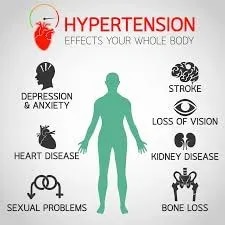
What is hypertension? High blood pressure is a common condition that affects the body's arteries. It's also called hypertension. If you have high blood pressure, the force of the blood pushing against the artery walls is consistently too high. The heart has to work harder to pump blood. Blood pressure is measured in millimeters of mercury (mm Hg). In general, hypertension is a blood pressure reading of 130/80 millimeters of mercury (mm Hg) or higher. The American College of Cardiology and the American Heart Association divide blood pressure into four general categories. Ideal blood pressure is categorized as normal. Normal blood pressure. Blood pressure is lower than 120/80 mm Hg. Elevated blood pressure. The top number ranges from 120 to 129 mm Hg and the bottom number is below, not above, 80 mm Hg. Stage 1 hypertension. The top number ranges from 130 to 139 mm Hg or the bottom number is between 80 and 89 mm Hg. Stage 2 hypertension. The top number is 140 mm Hg or higher or the bottom number is 90 mm Hg or higher. Blood pressure higher than 180/120 mm Hg is considered a hypertensive emergency or crisis. Seek emergency medical help for anyone with these blood pressure numbers. Untreated, high blood pressure increases the risk of heart attack, stroke and other serious health problems. It's important to have your blood pressure checked at least every two years starting at age 18. Some people need more-frequent checks. Healthy lifestyle habits —such as not smoking, exercising and eating well — can help prevent and treat high blood pressure. Some people need medicine to treat high blood pressure. Symptoms and Causes What are the signs and symptoms of high blood pressure? Usually, high blood pressure causes no signs or symptoms. That’s why healthcare providers call it a “silent killer.” You could have high blood pressure for years and not know it. In fact, the World Health Organization estimates that 46% of adults with hypertension don’t know they have it. When your blood pressure is 180/120 mmHg or higher, you may experience symptoms like headaches, heart palpitations or nosebleeds. Blood pressure this high is a hypertensive crisis that requires immediate medical care. What are the types of high blood pressure? Your provider will diagnose you with one of two types of high blood pressure: Primary hypertension. Causes of this more common type of high blood pressure (about 90% of all adult cases in the U.S.) include aging and lifestyle factors like not getting enough exercise. Secondary hypertension. Causes of this type of high blood pressure include different medical conditions or a medication you’re taking. Primary and secondary high blood pressure (hypertension) can co-exist. For example, a new secondary cause can make blood pressure that’s already high get even higher. You might also hear about high blood pressure that comes or goes in certain situations. These hypertension types are: White coat hypertension: Your BP is normal at home but elevated in a healthcare setting. Masked hypertension: Your BP is normal in a healthcare setting but elevated at home. Sustained hypertension: Your BP is elevated in healthcare settings and at home. Nocturnal hypertension: Your BP goes up when you sleep. What causes hypertension? Primary hypertension doesn’t have a single, clear cause. Usually, many factors come together to cause it. Common causes include: Unhealthy eating patterns (including a diet high in sodium). Lack of physical activity. High consumption of beverages containing alcohol. Secondary hypertension has at least one distinct cause that healthcare providers can identify. Common causes of secondary hypertension include: Certain medications, including immunosuppressants, NSAIDs and oral contraceptives (the pill). Kidney disease. Obstructive sleep apnea. Primary aldosteronism (Conn’s syndrome). Recreational drug use (including amphetamines and cocaine). Renal vascular diseases, which are conditions that affect blood flow in your kidneys’ arteries and veins. Renal artery stenosis is a common example. Tobacco use (including smoking, vaping and using smokeless tobacco). Is high blood pressure genetic? Researchers believe genes play a role in high blood pressure. If one or more of your close biological family members have high blood pressure, you have an increased risk of developing it, too. What are the risk factors for high blood pressure? Risk factors that make you more likely to have high blood pressure include: Having biological family members with high blood pressure, cardiovascular disease or diabetes. Being over age 55. Being Black. Having certain medical conditions, including chronic kidney disease, metabolic syndrome, obstructive sleep apnea or thyroid disease. Having overweight or obesity. Not getting enough exercise. Eating foods high in sodium. Smoking or using tobacco products. Drinking too much. What are the complications of this condition? Untreated hypertension may lead to serious health problems including: Coronary artery disease (CAD). Stroke. Heart attack. Peripheral artery disease. Kidney disease and kidney failure. Complications during pregnancy. Eye damage. Vascular dementia. Diagnosis and Tests How is high blood pressure diagnosed? Healthcare providers diagnose high blood pressure by measuring it with an arm cuff. Providers usually measure your blood pressure at annual checkups and other appointments. If you have high blood pressure readings at two or more appointments, your provider may tell you that you have high blood pressure. They’ll talk to you about your medical history and lifestyle to identify possible causes.

Neuroinflammatory diseases:- service image
Neuroinflammatory diseases:-

Neuroinflammatory diseases such as multiple sclerosis, Alzheimer’s and Parkinson’s, which affect the brain and spinal cord, are among the most serious health problems facing society today. These conditions pose a staggering personal, societal and economic burden: they affect tens of millions of people worldwide, and by 2050 this figure is expected to triple. Yet, there is no cure for these diseases and current treatments are only partly effective in alleviating symptoms and can be associated with serious side effects. Neuroinflammatory conditions vary with respect to their clinical manifestations and they affect people of different ages and ethnicities, but they are all characterised by the gradual damage and loss of neurons - the cells that transmit signals from the brain and spinal cord to other parts of the body. As the diseases progress, neuronal dysfunction accumulates causing severe debilitation: patients can completely lose their memory or the ability to walk or speak.  The impact on sufferers and their families can be devastating and thus there is an urgent need to identify and develop new strategies for improved healthcare provision, but this is complicated by the difficulty of trying to study and to directly target neurons, given the relative inaccessibility of these cells. The involvement of inflammation, an otherwise natural and innate response to injury and illness, is of particular interest in these diseases offering a novel avenue of study. Inflammatory mechanisms have been extensively studied in the context of other diseases, such as those arising due to infection, and thus present a more immediate avenue for identifying treatment options that can provide benefit across neuroinflammatory conditions. Neuroinflammatory disorders:- Neuroinflammatory disorders are conditions where immune responses damage components of the nervous system. A common example is multiple sclerosis (MS), which is characterized by inflammatory demyelination of the central nervous system and subsequent damage to nerve cells and axons. MS research is one of the most dynamic in terms of disease mechanisms and pharmacological disease modulatory treatments. Inflammatory mechanisms have also been implicated in the pathogenesis of many other CNS disorders including neurodegenerative and psychiatric disorders.

Subcategory Tags

Best Neuro clinic in AmbatturAmputation /Best ortho for Amputation near me / Best orthopedic for Amputation near by me / Best orthopedic surgeon for Amputation near Rakki Cinemas Ambattur / Best ortho Consultant for Amputation opp: to stedeford hospital Ambattur / Best ortho Clinic in Ambattur for Amputation / Best orthopedic Clinic Sunshine Neuro and Ortho Care Clinic in Ambattur / Dr.G.Prabu's best ortho Clinic in Ambattur / Top rated orthopedic services in Ambattur / Dr.G.Prabu's Sunshine Ortho Clinic in Ambattur Opp: to Stedeford Hospital / Dr. G. Prabu best ortho surgeon in Ambattur / Dr.G.Prabu best ortho consultant in Ambattur / Dr.G.Prabu best Orthopedic Surgeon in Ambattur at Sunshine Neuro and Ortho Care Clinic/ Best ortho treatment in Ambattur / Best ortho Dr.G.Prabu in Ambattur. Chennai / Best Ortho Clinic in AmbatturArteriovenous Malformation / Arteriovenous Malformation Neuro treatment near me / Arteriovenous Malformation neuro treatment near by me / Best neuro treatment for Arteriovenous Malformation in Ambattur near Rakki Cinemas / Best neurologist for Arteriovenous Malformation opp: to Stedeford Hospital Ambattur / Best neuro specialist for Arteriovenous Malformation treatment Clinic at Sunshine Neuro and Ortho Care Clinic in Ambattur / Top rated Neuro services in Ambattur / Dr. V. Revathy's top rated neuro services at Sunshine Neuro and Ortho Care Clinic in Ambattur Chennai, India / Dr. V. Revathy best neurologist in Ambattur near Rakki Cinemas / Dr. V. Revathy best neuro opposite to Stedeford Hospital Ambattur / Dr. V. Revathy's neurology Clinic in Ambattur / Dr. V. Revathy's neurology Clinic - Sunshine Neuro and Ortho Care in Ambattur Chennai / Best Female neuro doctor near me / Best Female neurologist near by me / Best female neuro doctor in Ambattur near Rakki Cinemas / Best Female Neuro Dr. V. Revathy in Ambattur, Chennai India / Dr. V. Revathy's neurology Clinic in Ambattur.Arthroscopy near me. Knee Arthroscopy doctor near me. Best doctor for Arthroscopy near me. Best doctor for Arthroscopy in Ambattur. Best Arthroscopic ortho Surgeon in Ambattur. Best ortho for Arthroscopy near Rakki Cinemas Ambattur. Best orthopedic for Arthroscopic opposite to Stedford Hospital Ambattur. Best ortho surgeon for Arthroscopic surgery in Ambattur. Best orthopedic surgeon for Arthroscopic surgery at Sunshine Neuro and Ortho Care Clinic Ambattur. Best treatment for Arthroscopy in Ambattur. Best Knee Arthroscopy treatment in Ambattur. Dr.G.Prabu specialist for Knee Arthroscopic Surgery in Ambattur. Dr.G.Prabu best doctor for Arthroscopy in Ambattur. Dr.G.Prabu's ortho clinic Sunshine Neuro and Ortho Care Clinic in Ambattur. Dr.G.Prabu's best ortho clinic in Ambattur. Top orthopedic services at Sunshine Neuro and Ortho Care Clinic in Ambattur.Back Pain, Neck Pain, Knee Pain, Back Pain Doctor in Ambattur, Neck Pain Doctor in Ambattur, Knee Pain Doctor in Ambattur, Orthopedic doctor in Ambattur, Ortho Clinic in Ambattur, Best Ortho doctor, Top ortho doctor, Orthopedic Surgeon in Ambattur, Ortho specialist, Orthopedic Surgeon near me, Best ortho surgeon in AmbatturBell's palsy / Treatment for Bell's palsy Near me / Best neuro specialist in Ambattur for Bell's palsy / Best Neuro doctor for Facial Paralysis in Ambattur near Rakki Cinemas / Top rated Neuro service in ambattur opp: to Stedeford Hospital Ambattur / Dr. Revathy.V best Neurologist at Sunshine Neuro and Ortho Care Clinic in Ambattur, Chennai , Dr. Revathy's V best neurology treatment for Bell's palsy / Dr. Revathy. V best neuro specialist for Facial Paralysis in Ambattur / Dr. Revathy. V neurology specialist for Bell's palsy in Ambattur at Sunshine Neuro Care Clinic in Ambattur / Best neurologist services in Ambattur / Top rated different types of neuro services in AmbatturBest Neuro Doctor in AmbatturBest Neuro for Neuroinflammatory Diseases in Ambattur / Best Neurologist Neuroinflammatory Disorders in Chennai / Best Female Neuro Physician for Neuro inflammatory diseases in India / Best Neuro Specialist in Ambattur / Top 10 Neurologist and Consultant Physician / Best Neuro physician for Neuroinflammatory diseases and disorders near me / Best Neuro Clinic in ambattur / Best neuro doctor in Ambattur / Best female neurologist in Ambattur ChennaiBest Ortho Doctor in AmbatturBest Ortho Treatment for Osteoporosis in Ambattur / Best orthopedic specialist for Osteoporisis Ambattur/ Best Ortho Care Clinic in Ambattur / Best Ortho doctor near me / Best treatment for Osteoporosis in Ambattur / Expert Ortho specialist at Ambattur - Sunshine Neuro and Ortho Care for Osteoporosis / Best Ortho Consultant for Weak Bones near by me / Best Orthopedic Surgeon in Ambattur for Bones Fracture / Best Ortho for Broken Bones in AmbatturBest Orthopedic for Sprain treatment in Ambattur / Best Ortho for Sprains in Ambattur / Best Ortho doctor for sprains near me / Best orthopedic consultant for Sprains in Ambattur / Best Ortho doctor in Chennai Ambattur / Best Orthopedic Surgeon at Sunshine Neuro and Ortho Care Ambattur / Best Ortho for Sprain treatment in Ambattur / Best Orthopedic doctor specialist for Sprains in ambatturBest Orthopedic for treatment of Bursitis in Ambattur / Best Ortho for Shoulder Bursitis Ambattur / Best Orthopedic Consultant for Elbow Bursitis near me / Expert Orthopedic doctor for treatment of Bursitis in Ambattur / Best Ortho specialist for Hip Bursitis in Ambattur / Best orthopedic clinic in ambattur - Sunshine Neuro and Ortho Care / Best Orthopedic surgeon for Knee and hip Bursitis in ambatturBest Preventive Neurology Clinic in Ambattur / Best Diabetea and Hypertension Neurology Ambattur Chennai / Preventive Neurology Clinic near me /Treatment for Diabetes and Hypertension Ambattur / Best treatment for Preventive Neurology in Ambattur / Best Neuro specialist for Diabetes and Hypertension in Ambattur / Best preventive neurology treatment for Hypertension and diabetes at Sunshine Neuro and Ortho Care AmbatturBest ortho Hospital in ambatturBone Tumor / Bone Cancer / Best Ortho treatment for Bone Tumor in Ambattur / Best Orthopedic treatment for Bone Cancer in Ambattur / Best Ortho Specialist in Ambattur for Bone Tumor / Best Orthopedic Consultant for Bone Cancer in Ambattur / Best Orthopedic Surgeon in Ambattur / Best Ortho for Bone Tumor near me / Best Orthopedic Doctor for Bone Cancer near by me / Best Ortho specialist in Chennai AmbatturBotox Injection / Botox Injection for Neurological disorders / Botox injection for Spasticity / Botox Injection for Dystonia / Best Neurologist for Movement Disorders in Ambattur/ Best Neuro for treatment of neurological disorders near me / Top female Neuro for treatment of movement disorders near me / Best Neuro for treatment of hands twisting / Best Neurologist to treat Stiffness in Chennai / Best Neuro in Ambattur for muscle contraction / Expert physician neurologist to treat uncontrollable jerking movements near me / Best Neuro at Sunshine Neuro and Ortho care AmbatturBulging Disk, Disk Bulge, Pain in bulging Disk, disk bulge treatment,, Disk Bulge symptoms, Disk Bulge Causes, Treatment for Disk BulgeCerebral Palsy / Cerebral Palsy treatment near me / Treatment for Cerebral Palsy near by me / Best neuro for Cerebral Palsy treatment in Ambattur / Best neuro specialist for Cerebral Palsy in Ambattur at Sunshine Neuro and Ortho Care Clinic / Best neurologist for Cerebral Palsy in Ambattur near Rakki cinemas / Best female neuro doctor in Ambattur for Cerebral Palsy opposite to Stedeford Hospital Ambattur, Chennai / Best Neuro Clinic in Ambattur - Sunshine Neuro and Ortho Care Clinic in Ambattur, Chennai , Tamil Nadu / Top rated neuro services in Ambattur near Rakki Cinemas/ Top rated neuro services clinic in Ambattur - Sunshine Neuro and Ortho Care Clinic / Dr.V. Revathy's neuro clinic in Ambattur / Dr. V. Revathy neuro specialist in Ambattur opposite to Stedeford Hospital / Dr. V. Revathy best female neurologist near Rakki cinemas Ambattur / Dr. V. Revathy's neuro Clinic Sunshine Neuro and Ortho Care Clinic in AmbatturCerebral aneurysm treatment near me / Brain Aneurysm treatment in Ambattur / Brain Aneurysm also known as Cerebral aneurysm is a Neuro treatment / Best neuro for Cerebral aneurysm in Ambattur Chennai/ Best neurologist for Brain Aneurysm in Ambattur near Rakki Cinemas / Top rate Neuro Services Clinic in Ambattur Sunshine Neuro and Ortho Care Clinic / Dr.V. Revathy's top rated neuro services in Ambattur / Dr. V. Revathy best neuro in Ambattur near Rakiki Cinemas / Dr. V. Revathy best neurologist in Ambattur opposite to Stedeford Hospital / Dr. V. Revathy best neuro specialist at Sunshine Neuro and Ortho Care Clinic in Ambattur / Best Neuro specialist in Ambattur Chennai India / Best Neurologist specialist clinic in Ambattur / Best Neuro doctor in Ambattur / Best neurologist Clinic near me / Best Neuro near by me / Best Female neurologist in Ambattur / Best Female neuro doctor in Ambattur Chennai / Best Female neurologists Clinic in Ambattur Sunshine Neuro and Ortho Care Clinic in Ambattur / Dr. V. Revathy best neuro treatment for Brain Aneurysm at AmbatturDiabetes doctor near me. Diabetes specialist in Ambattur. Best Diabetes doctor in Ambattur. Best diabetes in Ambattur near Rakki Cinemas. Best Diabetes clinic in Ambattur. Best Diabetes Clinic in Ambattur- Sunshine Neuro And Ortho Care Clinic. Dr.Reavthy.V. best Neuro doctor in Ambattur. Dr.Revathy.V. best neurologist near Rakki Cinemas Ambattur. Dr.Revathy.V's neurology clinic - Sunshine Neuro and Ortho Care Clinic in Ambattur. Best lady doctor specialist for diabetes in Ambattur. Best Lady Neuro doctor in Ambattur. Best treatment for Diabtes in AmbatturElectroencephalography (EEG) /Best neuro treatment in Ambattur/ Best Neurologist in Ambattur / Best Clinic for Electroencephalography (EEG) / Best clinic Sunshine Neuro and Ortho care in Ambattur for EEG test /Best Neurologist doctor near Rakki Cinemas Ambattur/ Best Neuro doctor near me/ Top rated neurologist clinic in Ambattur/ Top rated Neurological services in Ambattur/ Top rate Neuro Doctor V.Revathy in Ambattur opp to Stedford Hospital Chennai,Ambattur / Best neurologist Dr.V.Revathy at Sunshine Neuro and Ortho Care Cline in Ambattur, Chennai/ Best EEG test done in Ambattur/ EEG test for Epilepsy in Ambattur/Best EEG test for Seizures, Memory loss etc in AmbatturEssential Tremor / Treatment for Essential Tremor near me / Treatment for Essential Tremor near by me / Best neuro treatment for Essential Tremor in Ambattur / Best neuro treatment near Rakki Cinemas in Ambattur for essential tremor / Best female neuro in Ambattur for essential tremor / Best female neurologist for essential tremor at Sunshine Neuro and Ortho Care Clinic in Ambattur / Best neuro Clinic in Ambattur opposite to Stedeford Hospital / Best neuro Clinic Sunshine Neuro and Ortho Care Clinic in Ambattur / Dr. V. Revathy a female neuro specialist in Ambattur, Chennai / Dr. V. Revathy's top rated neuro service in Ambattur / Dr. V. Reavthy's neuro Clinic in Ambattur - Sunshine Neuro and Ortho Care Clinic in Ambattur, Chennai Tamil Nadu / Dr. V. Revathy best female neuro specialist in Ambattur / Dr. V. Revathy best neuro consultant near Rakki Cinemas in Ambattur.Ganglion Cyst, Ganglion Cyst on the Wrist, Ganglion Cyst on the Elbow, Ganglion Cyst on the Thumb, Ganglion Cyst on a Finger, Ganglion Cyst on a footHeadache, Best head pain doctor in Ambattur, Top headpain doctor in Ambattur, Neurologist in Ambattur, Neuro doctor in Ambattur, Neuro clinic near me, Neurological disorders, Nerve problems, consultant physician and neurologist, Neuro care in Ambattur, Neuro specialist in AmbatturHypertension. Hypertension doctor near me. Best doctor for Hypertension in ambattur. Best Hypertension doctor near Rakki Cinemas Ambattur. Best doctor for Hypertension treatment at Sunshine Neuro and Ortho Care Clinic ambattur. Best Neuro doctor for Hypertension in Ambattur. Best neurologist in Ambattur for Hypertension. Best doctor for High Blood Pressure in ambattur. Best neurology doctor for High Blood Pressure opposite to Stedford Hospital Ambattur. Best neuro for High Blood Prssure near Rakki Cinemas Ambattur. Best Neuro Clinic in Ambattur for High Blood Pressure. Dr.Revathy.V best neuro specialist for Hypertension. Dr.Reavthy.V best neurologist in Sunshine Neuro and Ortho Care Clinic Ambattur.Intra Articular Injection / Injection for Joints / Injection for Kness / Orthopedic Intra Articualr Injection /Steroid Injection Ambattur / Injection for osteoarthritis in Ambattur / Best Orthopedic for Intra Articular Injection in Chennai / Best Ortho clinic for Knee Injection / Best Orthopedic for Joint injection near me /Best Orthopedic surgeon in Ambattur for Steroid Injection /Bwest Orthopedic Clinic in Ambattur / Best Orthopedic doctor in Ambattur/Ortho doctor for Joint Pain / Best Ortho Clinic for damage in jointsJoint Replacements / Total Joint Replacement / Joint Replacement surgery in India / Joint Replacement Surgery in Chennai / Joint Replacement Surgery in Ambattur / Joint Replacement Surgery in Chennai / Best Joint Replacement doctor near me / Top Joint Replacement doctor in Ambattur / Pain in Joints / Bones Damaged, / Joints damaged / injury in Joints / Knee replacement surgery / Elbow joints broken /Hip joints surgery /Best ortho clinic in Ambattur / Best Orthopedic doctor in Chennai / Best doctor for JointsKnee Replacement, Knee Replacement specialist, Best knee replacement surgeon in Ambattur,Top Ortho surgeon for knee replacement surgery in Ambattur, Expertise in knee replacement surgery, Ortho Clinic in Ambattur, Bone doctor in Ambattur, Bone clinic near me.MCI / Mild Cognitive Impairment/ Cognitive Issues / Best Neuro doctor for MCI / Best Neurologist in Ambattur for cognitive issues / Best Neuro for Mild Cognitive Impairment near me / Best Lady Neuro in Chennai/ Best neuro consultant for MCI in ambattur / Sunshine Neuro Clinic in Ambattur for MCIMalunion and nonunion fractures treatment near by me / Malunion and nonunion fractures treatment in Ambattur / Malunion and nonunion fractures ortho treatment in Ambattur / Best orthopedic for Malunion and nonunion fractures near Rakki Cinemas Ambattur / Best ortho surgeon for Malunion and nonunion fractures opposite to Stedeford Hospital Ambattur / Best orthopedic Consultant for Malunion and nonunion fractures in Ambattur at Sunshine Neuro and Ortho Care Clinic / Best ortho Dr.G.Prabu in Ambattur near Rakki Cinemas / Best orthopedic Dr.G. Prabu's ortho Clinic in Ambattur / Best orthopedic Surgeon Dr. G. Prabu in Ambattur / Best ortho Dr.G. Prabu's ortho Clinic in Ambattur - Sunshine Neuro and Ortho Care Care Clinic / Top rated ortho services in Ambattur / Dr.G.Prabu's top rated orthopedic services in Ambattur near Rakki Cinemas / Dr.G. Prabu's best orthopedic Surgeon in Ambattur.Memory Loss / Alzheimer disease / Dementia / Forgetfulness; Amnesia; Impaired memory; Loss of memory; Amnestic syndrome; Dementia - memory loss; Mild cognitive impairment - memory loss / Best Neurologist in Ambattur / Neuro doctor near me / Neurologist in Chennai /Neuro for memory loss / Top Neuro Clinic in Chennai / Top Neurologist in Ambattur /Neuro Clinic in Chennai / Neurological disorders/ Memory Loss disease / Memory loss treatment / Best treatment for Memory loss / Best neuro doctor for Dementia / Top Neurologist in Ambattur for Alzheimer’s DiseaseMeniscus Injuries / Treatment for Meniscus Injuries near me / Best Ortho for treatment of Meniscus Injuries in Ambattur / Best orthopedic services in Ambattur / Top rated ortho services in Ambattur near Rakki Cinemas / Best ortho surgeon in Ambattur opp: to Stedeford Hospital Ambattur, Chennai / BEst ortho Consultant in Ambattur at Sunshine Neuro and Ortho Care Clinic in Ambattur / Best ortho Clinic in Ambattur / Best orthopedic Clinic in Ambattur near Rakki Cinemas / Dr. G. Prabu's best ortho services in Ambattur / Dr.G. Prabu's best ortho treatment for Meniscus Injuries / Dr. G. Prabu specialist for Meniscus Injuries treatment / Dr.G. Prabu's ortho Clinic Sunshine Neuro and Ortho Care Clinic in Ambattur / Dr. G. Prabu best ortho surgeon in Ambattur opposite to stedeford Hospital Ambattur / Dr. G. Prabu best orthopedic doctor in Ambattur / Dr. G. Prabu best ortho consultant near me / Dr. G. Prabu best ortho specialist in AmbatturMovement Disorders / Neuro Doctor for Movement Disorder /Neuro movement disorder Ambattur / Neurologist Movement disorders near me / Neuro for trouble in movement / Best Neuro for Parkinson's / Top Neuro for hands tremor - shaky /Top Neurologist for loss of muscle coordination /Good neuro for painful muscle movement in Ambattur /Best neurologist for movement disorders / Good neurologist movement disorders / Famous female neuro for movement disorders in AmbatturMultiple Scierosis / Multiple Scierosis Cause / Multiple Sierosis Treatment / Chronic Disease / Affects Brain,Spinal cord and optic Nerves / Neuro doctor in Ambattur for Multiple Sierosis / Treatment in ambattur for Multiple Sierosis/ Consultant physician and Neurologist in Ambattur for MS /Special doctor for MS - Multiple SierosisMuscle Diseases / Muscle Disease / Pain in Muscle/ Muscular pain / Muscular disorders / Cramp / Atropathies in muscle /Fatigue / Good Neuro Ambattur / Good Neurologist near me / Female Neuro doctor/ Best Female Neuro doctor Ambattur / Top Neuro Clinic / Top Neuro Clinic Ambattur / Best Neurologists in Chennai /Experienced Neuro doctor ambattur / Neurologist for Muscle Diseases / Neuro doctor for Muscular Disorders in Ambattur / muscular dystrophy /muscular dystrophy / muscular weakness. muscle wastage. muscular cramps. muscle spasticity (stiffness) /Becker muscular dystrophy (BMD)Muscle Jerks / Muscle Stiffness / Epilepsy / Epilepsy of brain / Seizures/Loss of awarness/ Loss of consciousness / Best Neurologist for Epilepsy in Ambattur / Epilepsy in Ambattur / Neuro specialist for Epilepsy in Chennai /Best Neurologists in Ambattur for Epilepsy / Best Neuro physician for Epilepsy near me / Lady neurologist for Epilepsy in Ambattur / Sunshine Neuro Clinic for Epilepsy in AmbatturNeuro Clinic in AmbatturNeuropathies / Peripheral nervous system / Peripheral neuropathy / Nerves / peripheral nerves / sensory nerves / motor nerves/ autonomic nerves/ peripheral nerves problem / Neuro specialist for peripheral nerves problem / Neurologist for Neuropathies in Ambattur / Best neuro for Sensory nerves problem in Chennai / Top Neuro consultant near me / Expert neuro in Ambattur / Experienced neurologist for peripheral neuropathy ambattur/ Neuro consultant physician for numbness in arms and legsOrtho clinic in AmbatturOsgood-Schlatter disease treatment near me / Osgood-Schlatter disease treatment in Ambattur / Best ortho for Osgood-Schlatter disease in Ambattur near Rakki Cinemas / Best orthopedic surgeon for Osgood-Schlatter disease opp: to Stedeford Hospital Ambattur / Best orthopedic for Osgood-Schlatter disease at Sunshine Neuro and Ortho Care Clinic in Ambattur / Dr.G. Prabu's top rated orthopedic services in Ambattur / Dr.G. Prabu's best ortho services near Rakki Cinemas Ambattur / Dr. G. Prabu's ortho Clinic in Ambattur / Dr.G.Prabu's best ortho treatment for Osgood-Schlatter disease in Ambattur Chennai / Best orthopedic Surgeon Dr.G. Prabu in Ambattur / Best ortho Consultant Dr.G.Prabu in Ambattur / Best Clinic in Ambattur Sunshine Neuro and Ortho Care Clinic / Best ortho Clinic in AmbatturParkinson's disease / Parkinsonism / Neuro doctor for Parkinson's in Ambattur, Neuro specialist for Parkinson's in Ambattur, Expertise Neuro for Neurological disorders, Specialist in Parkinson's, Neuro Clinic in Ambattur, Neurologist in Ambattur, Top most Neurologist, Leading Neuro doctor in AmbatturPediatric Ortho Doctor in Ambattur / Pediatric Orthopedics / Orthopedic doctor for pediatric in Ambattur / Pediatric Surgery / Ortho doctor for pediatric Surgery/Top most pediatrics orthopedics / Best pediatric orthopedics in Ambattur / Orthopedic Surgeon in Ambattur / Pediatric Orthopedics specialist in AmbatturScoliosis / Treatment for Scoliosis in Ambattur / Best ortho specialist for Scoliosis in Ambattur / Best orthopedic in Ambattur for abnormal curving of the Spine / Best orthopedic Surgeon in Ambattur near Rakki Cinemas for Scoliosis / Best ortho Surgeon at Sunshine Neuro and Ortho Care Clinic in Ambattur for different types of Scoliosis treatment / Top ortho services in Ambattur / Dr. G. Prabu best ortho doctor in Ambattur / Dr. G. Prabu best orthopedic in Ambattur near Rakki Cinemas / Dr. G. Prabu 's best ortho services at Sunshine Neuro and ortho Care Clinic in Ambattur / Dr.G. Prabu best orthopedic surgeon in Ambattur opposite to Stedeford Hospital / Best ortho Surgeon in Ambattur for Thorasic Scoliosis / Best ortho surgeon in Ambattur for Lumbar Scoliosis / Dr.G. Prabu best ortho in Ambattur for abnormal curving of spine and other spine related problems / Best treatment given by Dr.G.Prabu orthopedic Surgeon in AmbatturSeizures / Best neuro for Seizures in Ambattur / Best neuro specialist for Seizures in Ambattur near Rakki Cinemas / Best treatment for Seizures in Ambattur / Best neurologist in Ambattur / Best neuro in Ambattur / Best neurological treatment for Seizures in Ambattur/ Best neuro consultant in Ambattur opp: to stedeford hospital / Best female neuro in Ambattur / Best female specialist for Seizures in Ambattur / Best female neurologists in Ambattur at Sunshine Neuro and Ortho Care Clinic / Best neuro Clinic near me / Best neuro clinic near by me / Best neuro clinic in Ambattur, Chennai near me / Dr.V. Revathy best neuro in Ambattur near Rakki Cinemas / Dr. V. Revathy best female specialist in Ambattur opp: to stedeford Hospital / Dr. V. Revathy's best Neuro Clinic in Ambattur / Dr.V .Revathy's top rated neuro services in Ambattur, Chennai / Dr. V. Revathy's top rated neuro services near Rakki Cinemas Ambattur, Chennai / Dr. V.Revathy's best neuro services at Sunshine Neuro and Ortho Care Clinic in Ambattur / Dr. V. Revathy best neuro for neurlogical disorders in Ambattur / Dr. V. Revathy's best treatment for Seizures in Ambattur, Chennai Tamil Nadu.Sleeplessness / Fatigue / Insomnia / Sleep Disorders / Lack of Sleep / Neuro doctor Ambattur / Best Neurologist in Chennai / Top Neuro doctor in Ambattur / Experienced Neurologist near me / Neuro for sleep disorders / Neuro doctor for Insomnia ambattur / Neuro Specialist in Ambattur / Expertise neuro doctor for sleeplessnessSpinal Cord Injury / Spinal Cord Injury treatment near me / Spinal Cord Injury treatment near by me / Best ortho treatment for Spinal Cord Injury in Ambattur near Rakki Cinemas / Best orthopedic doctor for Spinal Cord Injury in Ambattur opp: to stedeford hospital Ambattur, Chennai / Best ortho Surgeon for Spinal Cord Injury in Ambattur at Sunshine Neuro and Ortho Care Clinic in Ambattur / Top rated ortho services in Ambattur near Rakki Cinemas / Top rated orthopedic services in Ambattur opp: to stedfeford hospital Ambattur, Chennai / Top rate ortho services at Sunshine Neuro and Ortho Care Clinic in Ambattur / Best ortho Clinic in Ambattur / Best orthopedic Clinic in Ambattur near Rakki Cinemas / Best ortho surgeon's clinic opp: to Stedeford Hospital Ambattur / Dr. G. Prabu best ortho specialist in Ambattur / Dr. G. Prabu best ortho treatment for Spinal Cord Injury / Dr.G. Prabu's best ortho services at Sunshine Neuro and ortho Care in Ambattur, Chennai / Best Clinic in Ambattur Sunshine Neuro and Ortho Care Clinic.Spinal cord injury / Best Neuro specialist in Ambattur for Spinal cord injury / Best Neurologist for Acute Spinal cord injury in Ambattur near Rakki Cinemas / Best neuro treatment for Spinal cord injury in Ambattur opp: to stedeford hospital Ambattur / Best neuro Consultant in Ambattur for Spinal cord injury / Best Neuro Clinic in Ambattur / Best neurology clinic in Ambattur / Best Neuro Clinic - Sunshine Neuro and Ortho Care Clinic in Ambattur / Dr.V Revathy's neuro Clinic in Ambattur near Rakki Cinemas / Dr. V. Revathy's top rated neuro services in Ambattur / Dr. V. Revathy's best neuro services Opp: to Stedeford Hospital / Dr.V. Revathy best neuro specialist in Ambattur / Dr. V. Revathy's best neurological treatment in Ambattur / Dr. V. Revathy neurol specialist for Spinal cord injury problems in Ambattur / Dr. V. Revathy neurologists in Ambattur.Spine problem / Spine injury / Spine treatment / Cervical Injury / Lumbar injury / Thoracic injury /sacral injury /Injury in Cervical region / injury in lumbar region /injury in Thoracic region / injury in sacral region/Ortho specialist in Ambattur / Othopedic surgeon in Ambattur / Best ortho clinic in Ambattur / Top Orthopedic clinic near me/Consultant orthopedic surgeon in Ambattur / Ortho doctor in Ambattur, Ortho Surgeon in Ambattur / Orthopedic Surgeon in AmbatturTendinitis / Treatment for tendinitis near me / Treatment for tendinitis in Ambattur / Best ortho for tendinitis in Ambattur near Rakki Cinemas / Best orthopedic for tendinitis at Sunshine Neuro and Ortho Care Clinic in Ambattur / Dr.G.Prabu's top rated ortho services in Ambattur / Dr.G. Prabu ortho specialist in Ambattur opp: to Stedeford Hospital / Dr. G. Prabu best orthopedic for treatment of tendinitis / Dr.G. Prabu best orthopedic Surgeon in Ambattur / Best ortho Clinic in Ambattur Sunshine Neuro and Ortho Care / Best ortho services by Dr.G.Prabu in AmbatturVertigo / Giddiness/ Dizziness / Vertigo problem / Feeling Giddi / Neuro problem / Best Neurologist for Vertigo / Top doctor for Giddiness/ Expertise Neuro doctor / Neuro specialist for Vertigo-giddiness in Ambattur/ Neuro Clinic in Ambatturconcussion in Babies / Concussion in Children / Concussion in Adults / Neurology concussion / Best Neurologist for Concussion treatment in Ambattur / Best Neuro for Consussion near me / Best Neuro Consultant for Concussion near by me / Best Neuro physician for Concussion in Chennai / Best Neuro lady doctor for concussion in Ambattur / Neuro physician for Concussion at Sunshine neuro and ortho care in Ambattur

Contact Us

Live Chat

Connect over WhatsApp to resolve your queries realtime.