Amputation service image
Amputation

Amputation:- What is amputation? Amputation is surgery to remove all or part of a body appendage, usually a limb or extremity (an arm, leg, hand or foot). You might need surgery to amputate a body part if it’s too sick or injured to save and it endangers other parts. You might also need surgery if you lose a body part in a traumatic accident. When limb loss is unavoidable, amputation surgeons ensure that it’s clean and safe for the rest of you. Common types include: Arm amputation. Hand amputation. Finger amputation. Leg amputation. Foot amputation. Toe amputation. Less commonly, amputation can also mean removing a part of your face, like an ear, nose or tongue. A mastectomy is amputation of a breast. You can also have your testicles or penis removed (amputated). What are the different types of amputations? Doctors typically divide amputation types first into upper amputations and lower amputations. Upper amputations involve the fingers, wrist, or arm. Lower amputations involve the toes, ankle, or leg. Ideally, if you need an amputation, a doctor will speak with you about the need for a certain location and prosthetic options. The following are medical terms for certain amputation types. Upper extremity Transcarpal. An amputation of a finger or a portion of the hand. Wrist disarticulation. An amputation through the wrist. Transradial. An amputation below the elbow. Elbow disarticulation. Amputation through the elbow or at elbow level. Transhumeral. Amputation above the elbow. Shoulder disarticulation. Amputation at the shoulder. Lower extremity Toe amputation. Removal of one or more toes. Midfoot amputation. Removal of the toes and half of the foot, with the heel and ankle joint remaining. Also called a transmetatarsal amputation (TMA). Transtibial amputation. Also known as a below-knee amputation. Knee disarticulation. Also known as a through-knee amputation. Transfemoral amputation. An amputation above the knee. Hip disarticulation. An amputation in the area of the hip joint. Hemipelvectomy. An amputation of the entire leg and portion of the pelvis to the sacrum. Why is amputation sometimes necessary? According to 2020 researchTrusted Source, the largest percentage of amputations are related to chronic disease that impairs blood flow and affects bone tissue. However, there are additional amputation causes. Why is amputation done? Devastating injuries and diseases are the usual causes of surgical amputation. In many cases, the body part has lost its ability to function as it should. Nerves no longer return sensation from the part or allow you to move it at will. Or blood vessels no longer nourish the tissues. Loss of sensation can cause injuries that you don’t notice, leading to infections. Loss of blood flow will eventually cause the tissues to die. The surgery is usually a preventive measure. It helps preserve the health of the rest of your body. Tissue death, infections and cancer can easily spread from the sick part to the rest. A part that’s wounded beyond repair becomes a hazard if you can’t control it or protect it well enough. Removing the part also gives you the option to replace it with a more functional and aesthetic-looking prosthetic part. What are the most common causes of amputation? Common conditions that may lead to surgical amputation include: Complications of peripheral artery disease (PAD), which causes a loss of blood flow. Complications of diabetes, which causes nerve damage and loss of sensation. Nonhealing and/or infected foot and toe ulcers (often related to diabetes or PAD). Gangrene, tissue death from loss of blood flow, which can spread. Stage three frostbite that leads to irreversible tissue death. Life-threatening infections in your bones, joints or other tissues. Cancerous tumors that surgeons are unable to safely remove from your body part. Severe injuries, including severing, crushing and burn injuries. Procedure Details What happens before amputation surgery? If it’s not an emergency, you’ll go through a few steps of preparation before surgery: Assessment Your healthcare team will carefully assess the extent of your disease or injury. In some cases, they might be able to attempt to save your limb using advanced surgical techniques. This is called limb salvage surgery. If this is an option for you, your provider will discuss the risks and benefits with you. If not, they’ll use your assessment to plan your surgery. Counseling Amputation is more than the surgery itself. It’s a psychological and physical journey that will have lifelong repercussions. Likewise, your healthcare team will include more than surgeons. You may meet with a variety of therapists to prepare you for surgery and plan for your recovery. If you’re interested in a prosthetic limb, you’ll meet with a prosthetist to discuss your options. What happens during the procedure? During surgery, your surgeon will remove all diseased and damaged tissues. They’ll work to preserve as much healthy tissue as possible. They may need to repair individual nerves or blood vessels through microsurgery. They may also need to file or smooth the end of your bone, and they’ll often stitch your muscle to your bone to reinforce it. They’ll leave enough soft tissue at the end of the stump to close it. You may have discussed plans for a certain type of prosthesis with your surgeon. In some cases, they might perform extra steps in your surgery to prepare you for that prosthesis. Examples include: Target muscle reinnervation This option for upper limb amputees can make it easier to control a myoelectric arm or hand. After amputating, your surgeon redirects the severed nerves that controlled your amputated limb to a new “target muscle” somewhere else on your body — often in your shoulder or chest. This allows you to operate your prosthesis more intuitively by activating this other muscle. Osseointegration Osseointegration means integrating your prosthesis with your bone (osseo-). Your surgeon implants a metal anchor into your bone that extends from the end of your limb. Your prosthesis can attach directly to it. This makes the prosthesis easier to attach and remove. It also helps to prevent some of the skin complications that a traditional prosthesis socket can sometimes cause. Rotationplasty Rotationplasty is rare a procedure that involves amputating part or all of your upper leg and reattaching your healthy lower leg as your upper leg. Your surgeon rotates your lower leg so that your ankle bends the right way to replace your knee. This allows you to use a below-the-knee prosthesis with your shortened leg, instead of needing an above-the-knee prosthesis. What happens after surgery? You’ll spend a few days to weeks recovering in the hospital after surgery. You’ll have oxygen through a mask, fluids through an IV and pain control as needed. You may have a urinary catheter and bedpan, so you don’t have to get up to go to the bathroom. Your healthcare team will carefully monitor your wound healing. Within a few days, a physical therapist will begin guiding you in small daily exercises to prevent stiffness. You’ll continue your rehabilitation either at home or in a rehabilitation facility for people with limb loss. During this time, you’ll work with a variety of specialists to learn how to live with your changed body. Your rehabilitation will likely include: Physical therapy. You’ll need to move regularly to prevent your tissues from stiffening. You’ll also need to learn to use your body in new ways, relying on different muscles than you used to. Occupational therapy. An occupational therapist helps you learn to adapt your practical life to your new body. They’ll teach you new ways to accomplish routine tasks at home and at work. Psychotherapy. Amputation is a profound psychological event. It will take time to adjust and to process through the full range of feelings it can evoke. It’s a good idea to have a mental health professional to talk to during this time. Your mental health is important to your overall recovery. Prosthesis fitting and training. If you plan to use a prosthetic limb, you’ll begin the fitting process after you’ve recovered. You’ll then spend several months learning how to use it. Risks / Benefits What are the advantages of amputation? Surgical amputation is almost always a life-saving or life-preserving procedure. Occasionally, it’s a choice between removing a damaged and dysfunctional limb or salvaging it and living with it as-is. This might mean living with chronic pain, a constant safety hazard or a limb that you can’t use. Alternatively, removing and replacing it with a more functional prosthesis might improve your quality of life. What are the possible risks of amputation surgery? Any major surgery carries some risk of complications. These can occur during or after surgery. Those who need amputation surgery may be more at risk of complications than others. This is because they’re often already in poor health. Preexisting conditions like cardiovascular disease, trauma, cancer and infections can contribute to the risk of sudden respiratory failure, heart failure or kidney failure. Preexisting conditions can also make it difficult for your body to recover well. With reduced resources for healing, wounds may be slow to close or may reopen, and you may have excessive swelling or bleeding. Your stressed immune system may be too weak to fight infections like pneumonia, which can happen with extended bed rest. Bed rest and cardiovascular disease also make blood clots more likely. Amputations related to blood flow conditions Chronic disease and infection can lead to interrupted blood flow that jeopardizes a limb. When this is the case, a doctor may recommend amputation to preserve as much of the limb as possible. Chronic conditions are a leading cause of lower extremity amputations. The American Academy of Physical Medicine and Rehabilitation (AAPMR) estimates that 93.4 percent of all lower extremity amputations are related to vascular disease. This includes conditions such as diabetes and peripheral artery disease. The most common lower extremity amputations related to blood flow conditions are: toe (33.2 percent) transtibial (28.2 percent) transfemoral (26.1 percent) foot amputations (10.6 percent) Amputations due to chronic disease are associated with 5-year mortality ratesTrusted Source that are higher than some cancer types. This is because the need for amputation in many instances can indicate a person’s medical condition or overall health is worsening. Enhancing a person’s healthcare and overall health are excellent goals after amputation. Cancer-related amputations Cancer-related amputation accounts for 0.8 percent of total amputations. This is often due to bone cancer or cancer that has metastasized to the bone. However, cancer is the most common amputation cause for those between the ages of 10 and 20. Traumatic amputations Injuries and trauma can lead to amputations. An estimated 5.8 percent of lower limb amputations are related to trauma. This can include injuries from car accidents and workplace-related accidents. The Bureau of Labor Statistics estimates that 6,200 work-related amputations happened in the United States in 2018. More than 58 percent of these involved using some type of machinery, particularly metal and woodworking machinery. How amputations affect the body Because amputation removes a portion of the body that was naturally present, it’s easy to wonder how this affects your overall health. There are undeniably effects that can occur due to amputation. It’s important to work with your doctor and physical therapist to minimize these effects whenever possible. Examples include: changes in your center of gravity and balance increased risk of arthritis in your remaining limb (if applicable) because it often has to increase its workload back pain due to changes in the body’s positioning for lower limb amputees Often, the effects of an amputation are related to where it is and your overall health. Amputation complications Amputations are surgical procedures that have risks involved. Also, if the amputation was the result of trauma or infection, you may have other medical conditions to recover from as well. This can complicate recovery after amputation. According to the AAPMR, some of the most common amputation complications include: infection pinched nerve phantom limb sensation and pain (feeling as if the limb is still there, even if it isn’t) residual limb pain Another complication is joint contracture. This is when the remaining muscles, tendons, and other tissues tighten so much that you can’t move the remaining joint. How long does it take to recover from surgery? Recovery times can vary. In general, it takes two to three months for your surgical wounds to heal and your swelling to go down. Once your residual limb has settled into its final size and shape, you can begin fitting for a prosthesis. You’ll begin physical therapy as soon as possible after surgery. You’ll likely continue with it for at least six months. Training to use a prosthetic limb can take even longer. Amputation healing time and recovery tips Amputation healing times can vary by the event that caused the amputation and the amputation site. For example, amputations due to chronic conditions such as diabetes or peripheral artery disease may take longer to heal. Blood flow and wound healing are already impaired by these conditions, which may extend recovery times. A small 2018 study suggests it likely takes less time to recover from a toe amputation than a leg amputation. A surgeon should help you determine your expected recovery period. Some tips to help the recovery process: Follow wound care instructions carefully. Most surgical incision sites should be kept clean and dry. Notify your doctor if you experience significant drainage or infection signs. Take medications such as antibiotics as prescribed. This can help prevent surgical site infections. Participate in physical therapy as you are able to keep muscles strong and tendons and other tissues mobile. It can take time to regain function after an amputation. Some individuals undergoing leg amputations reported it took as many as 6 months to regain their functional independence. How painful is amputation? If you experience it consciously, limb amputation is one of the most painful assaults your body can endure. Fortunately, you won’t feel it during surgery, and you’ll have strong pain control after surgery. While you’ll probably experience some postoperative pain, your healthcare team will do their best to help you manage it. However, limb loss can lead to other, longer-lasting pain syndromes, including: Residual limb pain. Pain in your residual limb or “stump” can have a variety of causes. Nerve damage from surgery can cause recurring nerve pain. Using a prosthesis can irritate the skin on your stump in various ways. You should address these issues with your prosthetist. Phantom limb pain. Many amputees experience periodic sensations, such as pain, that seem to come from their amputated limb. This happens because the severed nerves continue to transmit signals to your brain. Address phantom limb pain with your provider. Psychological pain. Understandably, limb loss can cause significant psychological distress, especially when it’s unexpected. It can feel overwhelming and can raise your risk of clinical depression and PTSD. You’ll need professional support to process the psychological pain. Where do amputated limbs go? If you are wondering where amputated limbs go, you aren’t alone. Especially if you’re about to undergo an amputation, it’s fairly common to ask questions about how and where these limbs are disposed of. A 2019 study described four potential destinationsTrusted Source for your limb after the procedure. The limb could be: sent to a biohazard crematoria where it is destroyed donated to a medical college for use in dissection sent to a pathologist for testing, such as for cancer cells or infection returned to you if you have a proven religious need to retain the limb

Malunion and nonunion fractures service image
Malunion and nonunion fractures

Malunion and nonunion fractures:- What are malunion and nonunion fractures? Malunion and nonunion fractures are poorly healed bone fractures. A malunion fracture is one where the fractured bone parts have grown back together, but in the wrong position. A nonunion fracture is one where the fractured parts have failed to grow back together, even though they’ve had more than enough time to do so. Poorly healed fractures can impact your skeleton’s stability and functionality. Most bone fractures heal well with good care. If they don’t, it’s because something has inhibited the healing process. Sometimes, it’s a mechanical issue: The fractured parts didn’t hold together well during healing. It can also be a biological issue: Somehow, your body’s resources for healing weren’t up to the task. Healthcare providers must address these factors when treating malunion and nonunion fractures. Types of nonunion fractures Your healthcare provider may classify your nonunion fracture as hypertrophic, atrophic or oligotrophic. These classifications are based on the evidence of what types of factors are preventing it from healing. Hypertrophic nonunion. This type shows evidence of new bone growth, but the ends of the bone pieces don’t meet. This suggests that your body has adequate biological resources for healing, but the bone pieces didn’t hold together well enough during the recovery period. Atrophic nonunion. This type shows no new bone growth and a lack of good blood supply to the bone. This suggests that biological factors are preventing the fracture from healing. Sometimes, there’s evidence of an infection in the bone that’s sapping its blood supply (septic nonunion). Oligotrophic nonunion. This type shows some new bone growth, but it’s incomplete. The bone pieces aren’t in the right position. This suggests they didn’t get put back together correctly or they shifted afterward. There may be stability factors and biological factors affecting healing. Symptoms and Causes What are the signs and symptoms of a malunion fracture? A malunion fracture might look like: Your bone is crooked or bent. Your bone is twisted or rotated. Your bone is shorter than it used to be. Using a bone with a malunion fracture may cause: Bone pain Swelling Limping As your bones are all connected, weakness at the malunion can put extra stress on other parts of your skeleton. This may cause pain in another area of your body when you use the injured bone. If your misplaced bones stretch or entrap a nerve, you may have nerve-related symptoms, like: Numbness and tingling (paresthesia) Muscle weakness (atrophy) Nerve pain (neuropathy) What causes a malunion? Malunion fractures are often the result of a complex fracture. For example: A comminuted fracture is a type of complex fracture in which the bone has broken into multiple pieces. An angulated fracture is a fracture in which the two ends of the bone are at an angle to each other. A rotated fracture is one in which the bone rotated when it broke, leaving the two ends of bone out of alignment. These and other complex fractures are more difficult to treat and pose a higher risk that the bone will heal out of alignment. Malunions can also occur during the healing process. Possible causes include: The fracture does not receive medical treatment right away, and the bone starts healing before the pieces are aligned. The bones are set out of alignment. The bones become unaligned after being set. A bone infection (osteomyelitis) complicates the healing process. What are the signs and symptoms of a nonunion fracture? Signs and symptoms of a nonhealing fracture may include: Deep, chronic pain at the site Lasting weakness or limited mobility Visible deformity, like a bump or gap If you have an infection in the bone, you may or may not have symptoms, such as: Swelling Fever Chills What causes fracture malunion and nonunion? Many factors can contribute to bone fracture malunion and nonunion, including: The nature and severity of the fracture. For example, spiral fractures that break your bone with a twisting motion or comminuted fractures that break your bone into many pieces may be less likely to heal in the right position. Traumatic injuries that impact blood flow to the bone can affect healing. How soon and how well it’s been treated. If you don’t seek medical treatment soon enough after a fracture, it may start to heal in a displaced position. Bones can also shift out of place after they’ve been put back in place. This is more likely when treatment comes late or the method is inadequate. Whether it’s had an adequate recovery. During recovery, it’s important to keep your fractured bone immobilized and fixed in the correct position for healing. Sometimes, healing takes longer than average. Your provider might remove your cast too soon or you might return to using your bone too soon. Your overall health and resources for healing. Slower healing makes malunion and nonunion more likely. Older age, nutritional deficiencies and metabolic conditions, like diabetes and thyroid disease, may delay or prevent bone healing. Tobacco and nicotine use are also known to weaken your bones. Diagnosis and Tests How do healthcare providers diagnose malunion and nonunion fractures? Diagnosis begins with a complete medical history of your injury and other conditions. Then, your provider will physically examine your bone. They’ll look for visible deformities and gently move it, asking how it feels. Depending on where it is, they might want to watch you walk or measure its length. They’ll follow up with imaging of the bone. Imaging may include X-rays, a CT scan or an MRI. Your provider will diagnose malunion if they find that the bone has healed in a non-anatomical position. They’ll diagnose delayed union or nonunion if your bone has failed to start or finish healing after a reasonable recovery period. Healing times can vary based on your injury, the bone involved and your overall health status. Your provider may diagnose fracture nonunion after six, nine or 12 months. Management and Treatment Can malunion and nonunion fractures be fixed? Not all malunion and nonunion fractures need to be fixed. It depends on the bone involved, how much you use it and how much the fracture impacts your day-to-day life. But some nonhealing fractures can limit your mobility and cause pain or other complications. When this is the case, you might need surgery to fix it. Your provider will suggest nonsurgical treatment options first, and surgical options if needed. Treatment for malunion Nonsurgical treatments for malunion fractures may include: Bracing. A brace can help hold the bone in a better position for using it. Orthotics. A shoe insert may help compensate for a difference in one leg. Physical therapy. Targeted exercises can strengthen key muscles to take stress off your bone. Pain relievers. Over-the-counter medications like NSAIDs can relieve occasional discomfort. Surgery for a malunion fracture may include: Osteotomy. An orthopaedic surgeon may need to cut the bone to adjust its position. Limb lengthening surgery. If a limb is too short, your surgeon may attach a lengthening device. Treatment for nonunion Nonsurgical treatments for nonunion fractures may include: Medical therapy. You might need to treat a systemic disease, an infection or malnutrition. Orthoses. A brace, splint or cast can help immobilize the bone while encouraging healing. Bone stimulator. These devices stimulate healing with ultrasonic or electromagnetic waves. Biologic injections. Stem cells or platelet-rich plasma might stimulate healing and growth. Surgery for a nonunion fracture may include: Debridement. Your orthopaedic surgeon may need to remove dead tissue from the bone. Vascular surgery. A vascular surgeon may operate on your blood vessels to restore blood flow. Bone grafting. Your orthopaedic surgeon may attach a piece of bone from elsewhere in your body or from a donor bone. The graft provides a fresh starting point for new bone growth. Open reduction and internal fixation. Your orthopaedic surgeon may need to readjust the position of your bone pieces and hold them in place with surgical screws and plates or nails.

Spinal Cord Injury service image
Spinal Cord Injury

What are spinal cord injuries? A spinal cord injury (SCI) happens when there’s damage to your spinal cord, a thick bundle of nerve fibers that allows your brain to communicate with other nerves almost everywhere else in your body. These injuries can range from minor and manageable to severe and permanent. The spinal cord is one of the two components of your central nervous system (CNS). Your nervous system is like a multilane expressway to and from your brain, the other component of the CNS. It has lanes for traffic leaving your brain and other lanes for traffic heading to your brain. Your spinal cord connects to your spinal nerves, which are like on- and off-ramps that connect to peripheral nerves that branch out everywhere else in your body. Nerve signals are the cars that travel this expressway and use those on- and off-ramps. Spinal cord injuries are like closures that affect the lanes in this expressway. But unlike a real-life expressway, the spinal cord has no detours. The traffic that uses the closed lanes can’t reach where it’s going. If the damage is severe enough, the closure might be permanent. That’s what causes paralysis and other severe SCI injury symptoms. Types of this condition There are two ways that experts organize the types of spinal cord injuries: By the way the injury affects your spinal cord and where in your spinal cord the injury happens. An SCI can interrupt nerve signal traffic going to and coming from anywhere below where it happens. By location Cervical spine: This section is in your neck. It goes from the bottom of your skull to about the same level as your shoulders. Thoracic spine: This section stretches from your upper back to just below your navel (belly button). Lumbar spine: This section is in your lower back. It extends about to the top of where your buttocks meet, but your spinal cord ends a couple of inches above that. Sacral spine: This section is in your back. It contains nerve roots below your butt to your tailbone. By severity Incomplete: An incomplete SCI is like a closure that only affects some lanes. Others remain open, so some abilities below the injury remain intact. Complete: A complete SCI affects all the lanes. No traffic gets through. It usually means permanent loss of all abilities below the injury, including paralysis. Your spinal cord has 31 segments (they line up with the 31 pairs of spinal nerves). Experts use letter-number combinations to designate them. The letter indicates the section of the spine, and the number indicates the segment. For example, C8 means the cervical spinal cord’s eighth (and lowermost) segment. SCIs also commonly involve multiple phases. The first phase is the initial injury. But in the following hours and days, a secondary injury can also develop, causing swelling and further damage to your spinal cord. How common are spinal cord injuries? Spinal cord injuries are uncommon. Between 250,000 and 500,000 happen every year worldwide. In the United States, there are about 18,000 new traumatic SCI cases each year. About 78% of people with a new SCI are male. The average age at the time of injury is 43. Symptoms and Causes What are the symptoms of a spinal cord injury? The symptoms of an SCI depend on the affected signals. There are three types of signals that an SCI can affect: sensory, motor and autonomic. Sensory symptoms Sensory signals carry information to your brain. They tell your brain about the world around you and what’s happening to your body. Your spinal cord mainly handles tactile (touch-based) signals. Examples include temperature, pressure, vibration, texture, etc. It also handles your self-positioning sense (proprioception). If you move your hand toward your face in a totally dark room but can stop your hand before it touches your nose, that’s an example of proprioception. Examples of sensory symptoms include: Pain. Numbness. Tingling or “pins-and-needles” (paresthesia). Motor symptoms Motor signals travel from your brain to your muscles. They’re how your brain moves parts of your body. Motor symptoms can include: Weakness (reduced strength). Paralysis (lack of muscle control). Spasticity (muscles that remain flexed uncontrollably). Autonomic symptoms Autonomic signals run processes you don’t have to think about (“autonomic” sounds like “automatic,” and autonomic signals handle automatic processes). Autonomic symptoms can include: Heart rate disruptions, especially slow heart rate (bradycardia). Blood pressure disruptions, especially low blood pressure (hypotension). Body temperature disruptions, especially low body temperature (hypothermia). Urinary incontinence or fecal incontinence. Erectile dysfunction. What can cause a spinal cord injury? Spinal cord injuries can happen for many reasons. Possible causes include (but aren’t limited to): Motor vehicle crashes. These are the most common cause. They make up more than 37% of all SCIs. Falls. They make up about 31% of all SCIs. Violence-related injuries. This includes penetrating injuries from bullets or sharp objects like knives. They make up about 15% of all SCIs. Sports-related injuries. These account for about 8% of SCIs. Diving is the most common sports-related spinal cord injury. Other common causes of or contributing factors to spinal cord injuries include: Conditions that make it easier for your bones to break, like osteopenia and osteoporosis. Spine tumors, including cancers. Cysts or fluid-filled cavities within your spinal cord (syringomyelia). Infections that attack your spinal cord, or cause swelling and inflammation in surrounding tissues that then press on your spinal cord. Lack of blood flow (ischemia) to your spinal cord. Congenital spinal conditions, such as myelomeningocele or spina bifida. Autoimmune or inflammatory conditions like Guillain-Barré syndrome, multiple sclerosis, neuromyelitis optica or transverse myelitis. Genetic conditions like hereditary spastic paraplegia. Electrocution (if the electric current travels along or near your spinal cord). What are the complications of spinal cord injuries? SCIs can have severe complications, many of which are permanent. SCIs commonly cause a partial or total loss of abilities in body parts below the injury. That can cause certain forms of paralysis: Tetraplegia (sometimes known as “quadriplegia”): This is paralysis from the neck down. It involves an injury to the cervical segments of your spinal cord. The complications can vary depending on the location of the injury. Paraplegia: This is paralysis that affects your lower body only. It involves an injury to the thoracic, lumbar or sacral segments of your spinal cord. The complications of this can also vary depending on the location of the injury, but usually affect body functions and abilities from your chest down. Other possible complications include: Autonomic dysreflexia (with injuries at or above T6, the sixth thoracic spinal nerve). Spinal (neurogenic) shock. Nerve pain (neuropathic pain). Pneumonia. Urinary tract infections. Blood clots in your legs and lungs. Pressure sores. Sepsis. Death (especially when the injury is higher up in your spine). Your healthcare provider is the best person to tell you more about the possible complications you might experience. They can also help you understand how to recognize and react to them. Diagnosis and Tests How are spinal cord injuries diagnosed? A healthcare provider can usually diagnose a spinal cord injury using multiple methods, including: A physical exam. Your provider does this to look for clues or evidence of the injury’s extent. A neurological exam. Your provider will do this to test specific abilities of your nervous system. This involves seeing if you can move your limbs by testing your strength and checking your sensation and reflexes. Imaging scans. Examples include computed tomography (CT) and magnetic resonance imaging (MRI) scans. CT scans are faster and show your provider bone-related injuries or problems. MRI scans take longer but provide ultra-detailed images of bones, soft tissues, nerves, etc. Diagnostic tests. Examples of these include electromyography and nerve conduction tests. They measure electrical signals reaching your muscles, which can help locate nerve or spinal cord damage interfering with signals. Management and Treatment How are spinal cord injuries treated? The treatment for SCIs varies widely. The first distinction is whether or not it’s injury-related. A suspected trauma-related SCI is ALWAYS a medical emergency. SCIs due to certain other causes are also medical emergencies. Emergency causes include: Infections. These can rapidly become deadly when not treated. Lack of blood flow (ischemia). Restoring blood flow is a critical, lifesaving priority. Autoimmune conditions. These can also cause severe complications without quick treatment when they develop suddenly (such as with Guillain-Barré syndrome). When to see a doctor Anyone who has an injury to the head or neck needs an immediate medical evaluation. It is safest to assume that the person has a spinal injury until proved otherwise. This is important because: A serious spinal injury is not always immediately obvious. If a spinal injury occurs but it is not known, worse injury may occur. Numbness or paralysis can happen quickly or come on gradually. The time between injury and treatment can be critical. Learning the level of the injury can help determine the possible recovery.

Meniscus Injuries service image
Meniscus Injuries

A meniscus (plural: menisci) is a piece of cartilage in a joint that provides cushion where two bones meet. In the knee, two C-shaped menisci protect the area between the upper and lower leg bones. What is a meniscus? The meniscus is a crescent-shaped shock absorber in the knee that sits between the femur (thighbone) and tibia (shinbone). Each knee has two menisci. One is on the medial side, closest to the other knee, and the other is on the lateral side, closest to the outside of the leg. During activities on your feet, the meniscus cartilage cushions the amount of wear and tear on the surrounding articular cartilage, which is the protective layer on the ends of the bones. Types of Meniscus Injuries Injury or damage to the meniscus can result from abruptly twisting or rotating the knee; strain during squatting, bending or lifting heavy objects; and hard impacts from a tackle or other sports activity. Injuries can range from a meniscus strain to a partial or full meniscus tear. The treatment for meniscus injury symptoms varies on the degree of injury, and can be as conservative as rest and icing up to more drastic interventions like surgery. Our Sports Medicine team will work with you to determine the best course of treatment. What Is a Meniscus Tear? A torn meniscus is a common injury wherein the cartilage that makes up the meniscus cushion is damaged and the integrity of the surface is disrupted. Like with most meniscus injuries, a meniscus can tear during sports activities like running and quickly pivoting. In older adults, degeneration of the cartilage in the knee, also known as osteoarthritis, can weaken the meniscus so that it tears, even if there is little athletic activity or strain. or a degenerative condition. Like a crack in ice, a meniscus tear in a knee can run in many different directions. With some severe tears, a portion of the meniscus can detach or break off from the meniscus. How to Tell a Meniscus Sprain vs. Tear The signs of a meniscus sprain are similar to a meniscus tear. Both can include knee pain, swelling and stiffness. Being unable to move your knee and hearing popping sounds can indicate a more severe injury. The more intense your symptoms, the more likely your injury is a tear and not a sprain. Our doctors will conduct a physical examination and may recommend X-rays or MRI to diagnose your injury. What Causes a Meniscus Tear? The meniscus can tear suddenly with acute trauma, or wear down gradually and tear over time. Seen often during athletic activity wherein the knee gets twisted with the foot planted, such as basketball, soccer and skiing, a meniscus tear can happen with or without physical contact with other players, like a tackle or body check. A degenerative meniscus tear results from the meniscus wearing out, a condition more common in older people. Pre-existing conditions like osteoarthritis can also contribute to meniscus tears. Meniscus Injury Symptoms Pain in the knee, especially during physical activity, is often the first symptom of a meniscus injury. Symptoms generally worsen with additional strain and weight-bearing activity and may include: Pain in one or both sides of the knee The sensation of the knee catching or locking during movement Swelling Stiffness Feeling or hearing a pop with a sudden onset of pain A loss of range of motion in the knee Weakness in the knee during activity Symptoms of a Meniscus Tear Signs of a torn meniscus can include pain and difficulty twisting or moving laterally. In the event of meniscus tears, the patient is more likely to have a decreased range of motion and increased weakness and pain during activity. Symptoms of a Meniscus Sprain A meniscus sprain can still be painful and bring about swelling and stiffness. However, a strain won't limit the range of motion as much as a tear and doesn't commonly result in the knee catching or locking. Meniscus Injury Diagnosis Diagnosis of meniscus injuries is largely based on a physical examination by one of our providers that takes your medical history into account. We may also employ imaging, such as standing x-ray or MRI, to aid in diagnosis. Meniscus Injury Treatment Our providers will work with you to customize a treatment plan based on your recovery goals, the extent of your injury, symptoms, age and activity level. Strains and minor tears may not need surgery, while more severe tears may require surgical repair. Learn how Mass General Brigham Sports Medicine specialists diagnose and treat a full spectrum of knee conditions, including knee cartilage injuries such as meniscus and meniscus root tears. Nonsurgical Treatment Nonsurgical treatment of meniscus injuries is common and includes: Acitivity modifications Weight loss Ice Medications Physical therapy/home exercise Bracing Surgical Treatment There are three surgical treatments for meniscus tears - trimming the meniscus, repairing the meniscus and putting in a new meniscus. Meniscectomy (Meniscus Trimming): The most common meniscus surgery, accounting for about of 90% of all meniscus surgeries, trims back the torn portion of the meniscus to leave behind as much of the fully functioning meniscus as possible. These surgeries can generally be performed on an outpatient basis, meaning that patients generally return home the same day as surgery. Physical therapy and home exercises are common for the first month after surgery. You may use a crutch for a couple of days following surgery, and can typically return to full activity in 4-6 weeks. Meniscus repair: Meniscus repairs are typically performed for certain patterns of tears and in certain locations. Your doctor will discuss with you the success rates and potential complications of meniscus repair. This procedure is most common in younger patients, and often performed during concomitant surgical procedures such as ligament reconstruction (ACL, PCL, etc). Meniscus transplant: Meniscus transplant is often chosen for patients who have had a meniscus trimmed in the past and may have continued issues due to a lack of the meniscus, even though the surfaces on the ends of the bones are still well-preserved. This is not common, and the recommendation for this will be determined by your healthcare provider. How to Prevent Meniscus Tears Most meniscus tears occur during an acute injury, like a slip, fall or athletic strain or overextension. Acute injuries are tough to prevent, but proper knee care can help decrease the chances of injury. Strengthen the muscles in your leg to provide better support to your knee Warm up properly before activity Don't overfatigue leg muscles, which places more strain on your knee Ease into new activities and gradually increase activity intensity Wear appropriate footwear when exercising to avoid slipping and/or twisting the knee (cleats where appropriate)

Osgood-Schlatter disease service image
Osgood-Schlatter disease

Osgood-Schlatter disease:- What is Osgood-Schlatter disease? Osgood-Schlatter disease is an overuse condition or injury of the knee that causes a painful bump and swelling on the shinbone below the knee. Osgood-Schlatter disease typically affects kids during their preadolescent growth spurt: in the tweens (10 to 13) for girls and the early teens (12 to 14) for boys. At this stage, a child’s bones are typically growing faster than the muscles and tendons. As a result, the muscles and tendons have a tendency to become tight. The condition is caused by the constant pulling of the patellar tendon on the area below the knee where the tendon attaches and is common in tween or teen athletes who play games or sports that involve running, jumping, or going up and down stairs. It is also common among athletes involved in football, soccer, basketball, gymnastics, or ballet. Factors that increase the likelihood of Osgood-Schlatter disease include: Tight quadriceps (front thigh) muscles Tight hamstrings (back thigh) muscles What causes Osgood-Schlatter disease? Osgood-Schlatter disease is caused by irritation of the bone growth plate. Bones do not grow in the middle, but at the ends near the joint, in an area called the growth plate. While a child is still growing, these areas of growth are made of cartilage instead of bone. The cartilage is never as strong as the bone, so high levels of stress can cause the growth plate to begin to hurt and swell. A tendon (the patella) attaches from the kneecap down to the growth plate in the front of the leg bone (tibia). The thigh muscles (quadriceps) attach to the patella, and when they pull on the patella, tension is placed on the patellar tendon, which then pulls on the tibia in the area of the growth plate. Any movements that cause repeated extension of the leg can lead to tenderness where the patellar tendon attaches to the top of the tibia. Activities that place stress on the knee — especially squatting, bending and running uphill (or stadium steps) — can cause tissue around the growth plate to hurt and swell. Pain is also felt when hitting or bumping the tender area. Kneeling can be very painful. What are the symptoms of Osgood-Schlatter disease? Each adolescent may experience symptoms of Osgood-Schlatter disease differently. They may include: Tenderness below the knee Swelling around the knee Limping (may worsen following activities) The symptoms of Osgood-Schlatter disease may resemble other conditions or medical problems of the knee. Therefore, it’s important to consult your child’s physician for a diagnosis. Diagnosis & Treatments How is Osgood-Schlatter disease diagnosed? In addition to a complete medical history and physical examination, diagnostic procedures for Osgood-Schlatter disease may include: X-ray: a diagnostic test which uses invisible electromagnetic energy beams to produce images of internal tissues, bones, and organs onto film Bone scan: a nuclear imaging method to evaluate any degenerative and/or arthritic changes in the joints; to detect bone diseases and tumors; to determine the cause of bone pain or inflammation Magnetic resonance imaging (MRI): a diagnostic procedure that uses a combination of large magnets, radio frequencies, and a computer to produce detailed images of organs and structures within the body Blood tests. How is Osgood-Schlatter disease treated? Specific treatment for Osgood-Schlatter disease will be determined by your child’s physician based on: Age, overall health, and medical history The extent of the condition Tolerance for specific medications, procedures, or therapies Expectations for the course of the condition Your and your child’s opinions or preferences The goal of treatment is to control the knee pain and limit your teen's activities that could aggravate the condition. Treatment may include: R.I.C.E.: rest, ice, compression, and elevation Medications to ease physical discomfort Elastic wrap or a neoprene knee sleeve around the knee Activity restrictions Physical therapy to help stretch and strengthen the thigh and leg muscles. Osgood-Schlatter disease usually goes away with time and rest. Sports activities that require running, jumping or other deep knee-bending should be limited until the tenderness and swelling subside. Athletes who participate in sports can use kneepads where the knee might make contact with the playing surface or other players. Some athletes find that wearing a patellar tendon strap below the kneecap can help decrease the pull on the tibial tubercle. Ice packs after activity are helpful, and can be applied two or three times per day, 20 to 30 minutes at a time, if necessary. The appropriate time to return to sports is based on the person’s pain tolerance. An athlete will not damage his or her knee by playing with some pain. The doctor may also recommend stretching exercises, at home or through formal physical therapy, to increase flexibility in the front and back of the thigh (quadriceps and hamstring muscles). Medicine, such as acetaminophen or nonsteroidal anti-inflammatory drugs like ibuprofen, can be used to help control pain. If your child needs multiple doses of medication daily and the pain affects their daily activities, resting from the sport should be discussed. Physical Therapy for Osgood-Schlatter Disease A physical therapist will work with the patient to first ease symptoms, using methods such as ice, heat, ultrasound or electrical stimulation to help control inflammation and pain. When pain is under control, therapy shifts focus to flexibility, strength and proprioceptive exercises for all leg muscles. Tight hamstrings and quadriceps often put an athlete at risk for injuries, so maintaining flexibility is important. Strengthening muscles of the lower leg and core helps make sure there is good muscle balance in the knee, hip, ankle and core. Balance exercises teach a person to be aware of where the body is in space and to get different leg muscles to work together. Postural education and exercises may be used to address abnormal alignment of the leg. Sometimes, orthotics (shoe inserts) are needed to help correct flat footedness and knock-kneed positions. Once symptoms have decreased and strength, flexibility and balance have improved, the therapy may focus on sport-specific activities and movement patterns. The goal is to help improve form and reduce knee strain during sports. Is surgery ever needed for Osgood-Schlatter disease? In almost every case, surgery is not necessary. This is because the cartilage growth plate eventually stops growing and fills in with bone. Bone is stronger than cartilage and less prone to irritation. The pain and swelling go away because there is no new growth plate to be injured. Pain linked to Osgood-Schlatter disease almost always ends when an adolescent stops growing. In rare cases, the pain persists after the bones have stopped growing. Surgery is recommended only if there are bone fragments that did not heal. Surgery is never performed on a growing athlete, because the growth plate can be damaged. If pain and swelling persist despite treatment, a doctor should reexamine the athlete regularly.

Tendinitis service image
Tendinitis

Tendinitis:- What is tendinitis? Tendinitis (also called tendonitis or tendinopathy) is an inflamed tendon. Tendons are the bands of tissue that connect muscles to bones and help the body to move. Tendinitis can develop in many places in the body but is most common in the shoulder (rotator cuff), elbow (triceps tendon), wrist and ankles (Achilles tendon). It can be acute (sudden onset), such as tendinitis caused by a sports injury, or chronic (longer term), when a tendon gradually deteriorates, usually due to overuse or repeated movements. What are the symptoms of tendinitis? The main symptoms of tendinitis include: 1.Pain and tenderness in the affected tendon, which is often worse when you move it. 2. Swelling. 3. A grating sensation as the tendon moves. 4. A lump on the tendon. 5. Weakness in the affected area 6. Decreased range of motion. What causes tendinitis? Tendinitis is usually caused by repeated excessive use and load on a particular tendon. This overuse injury is often seen in athletes who repeatedly use a tendon without giving enough time for it to recover. When should I see my doctor? If you have symptoms of tendinitis that don’t get better after a few days of rest, you should seek medical attention. How is tendinitis diagnosed? At your appointment, a doctor will ask about your medical history and perform a physical exam of the affected area. They’ll also examine your tenderness and range of motion. Be prepared to tell your doctor about the following: recent or past injuries past and present sports and physical activities previously diagnosed medical conditions any prescription drugs, over-the-counter medications, and herbal supplements you take If your doctor can’t make a diagnosis with a physical exam, they may order additional tests. These could include: X-rays MRI scans ultrasounds How is tendinitis treated? The condition often gets better with rest, but treatment may be needed if the pain persists. The best treatment will depend on which tendon is affected. Tendinitis usually only lasts a few days but can last for longer. If you have a sore tendon, it’s important to rest it. You can apply ice packs and take pain-relief medication, and in some cases, using a brace can be helpful. Tendinitis may also be called by one of the following names: swimmer’s shoulder jumper’s knee pitcher’s shoulder golfer’s elbow tennis elbow To prevent swelling, avoid hot baths, heat packs, alcohol and massages for the first few days. When it’s not painful, try to keep moving so the tendon doesn’t become stiff. Rehabilitation exercises, as suggested by a doctor or physiotherapist, may also help you recover full movement and function. If the problem does not get better, you may need treatments such as shock wave therapy (a physiotherapy technique), and injections of corticosteroids or other medicines to reduce inflammation. In a small number of cases, surgery may be required. Can tendinitis be prevented? If you’ve had tendinitis before, you can help prevent further injury by using the following techniques: Warming up and cooling down, before and after exercising. Learning correct techniques if you play a sport. Strengthening muscles in the affected area. You may also need an ergonomic assessment of your workspace, which may include an adjustment of your chair, keyboard and desktop positions. This may help protect your joints and tendons from excessive strain. Complications of tendinitis Severe tendinitis can take many months or even years to fully heal. This slow recovery time can be very challenging and frustrating, especially for athletes who are hoping to return to their sport, or if tendinitis affects your daily activities.

Arthroscopic Surgery service image
Arthroscopic Surgery

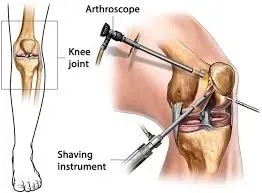
What is arthroscopy? Arthroscopy is a surgical procedure to diagnose and treat your joint’s structural problems, which often cause pain, instability or other dysfunction. The surgeon uses an arthroscope, a long, thin tube with a video camera and light on the end. Who performs arthroscopy? Orthopaedic surgeons perform arthroscopic procedures. These doctors specialize in conditions that affect the musculoskeletal system. What are the types of arthroscopy? Surgeons use arthroscopy to see inside joints without having to make large incisions. Types of arthroscopy include: Elbow arthroscopy. Foot and ankle arthroscopy. Hand and wrist arthroscopy. Hip arthroscopy. Knee arthroscopy. Shoulder arthroscopy. Why do healthcare providers perform arthroscopy? Providers use arthroscopy to diagnose and treat a range of joint, tendon and ligament problems, such as: Knee pain, instability and other injuries, including anterior cruciate ligament (ACL) tears and meniscal tears. Torn ligaments, cartilage and tendons. Rotator cuff tears, dislocated shoulder, frozen shoulder and shoulder impingement. Arthritis, including foot and ankle arthritis Wrist pain, including carpal tunnel syndrome, ganglion cysts and wrist arthritis. Who needs arthroscopy? Your healthcare provider may recommend an arthroscopic procedure if you have injured or damaged your meniscus, cartilage, tendons and/or ligaments. Arthroscopy may be an option if you don’t get relief from nonsurgical treatments such as: Braces or splints. Medications and steroid injections. Physical therapy. Rest. Procedure Details What happens before arthroscopy? You should follow your healthcare provider’s instructions about what to do before an arthroscopic procedure. In general, you should: Alert your provider of any allergies. Give your provider a list of medications and supplements you take. Let your healthcare provider know about any blood thinners or nonsteroidal anti-inflammatory drugs (NSAIDs) before the procedure. Not eat or drink after midnight the day preceding the procedure. What happens during arthroscopy? Arthroscopy is typically an outpatient procedure, which means you go home the same day. You’ll receive anesthesia, so someone needs to drive you home and stay with you for the rest of the day. The steps for arthroscopic procedures vary depending on the problem. Most procedures take about an hour, but some arthroscopies take longer. During arthroscopy, an orthopaedic surgeon: Makes two or three small incisions (about the size of a buttonhole) in the treatment area. Inserts the arthroscope and other tiny surgical instruments into the small incisions. Views images sent from the arthroscope to a monitor to examine joints, cartilage, ligaments and tendons. Refers to the arthroscope images to make a diagnosis or surgically treat the problem. Removes the arthroscope and surgical instruments. Closes the incisions with stitches and a bandage. What happens after arthroscopy? You should be able to go home within a couple of hours after the procedure. You may need to: Avoid putting weight or pressure on the area for a time. If you had arthroscopy on your hip or leg, you might need to use crutches or another assistive device. Ice and elevate the area. Keep the incision clean and covered. Take NSAIDs for pain. Take showers, not baths, until the incision heals. Wear a sling or brace. Risks / Benefits What are the advantages of arthroscopy? Arthroscopy is a minimally invasive procedure. The procedure takes place through small incisions. Compared to an open surgery, the benefits include: Faster recovery. Less pain. Minimal blood loss and scarring. What are the potential risks or complications of arthroscopy? Arthroscopy is a relatively safe procedure. Potential complications include: Allergic reaction to anesthesia. Blood clots, including deep vein thrombosis (DVT). Damage to surrounding tissue or nerves. Excessive bleeding or swelling. Infections.

Joint Replacements service image
Joint Replacements

Joint Replacement Joint replacement means removing part or all of a damaged joint and installing hardware to allow the limb to move without pain or limitations. The replacement hardware is called a prosthesis. These are made of plastic, metal, ceramic, or a combination of these materials. Most joint replacements are performed to treat damage from arthritis to the knees or hips. Orthopedic surgeons do the procedure under general anesthesia. Total joint replacement is a surgical procedure in which parts of an arthritic or damaged joint are removed and replaced with a metal, plastic, or ceramic device called a prosthesis. The prosthesis is designed to replicate the movement of a normal, healthy joint. Hip and knee replacements are the most commonly performed joint replacements, but replacement surgery can be performed on other joints, as well, including the ankle, wrist, shoulder, and elbow. The decision to replace a joint depends on several factors: • How bad are the symptoms? Moderate to severe pain, stiffness, and limited function of the joint may indicate the need for a new joint. • How bad is the damage to the joint? An x-ray or other imaging test can show if the bone and cartilage in the joint have deteriorated. The joint may also become misaligned. Moderate to severe joint damage is an indication for joint replacement. • Does the joint problem limit daily activities and compromise a person's quality of life? This, too, indicates that joint replacement may be beneficial. Like any major operation, joint replacement surgery carries the risk of possible complications. For example, there are small risks that you may have a reaction to the anesthesia, develop a blood clot, or contract an infection. Age by itself does not prevent a person from getting a new joint, but being overweight or having a chronic health condition, such as heart disease, might raise the risks. It's also possible for the prosthesis to break, making it necessary to do a so-called revision procedure to fix it. A hospital stay of a day or two is typical for knee or hip joint replacement. Physical therapy then helps the muscles around the new joint to get strong. Joint hardware can last 15 to 20 years or more, depending on the type and the person's level of physical activity.

Spine Injuries service image
Spine Injuries

SPINE INJURIES Your spine consists of 33 bony vertebrae plus spinal discs, muscles, ligaments, tendons, fluid, and your spinal cord. Injury or damage to any of these areas can cause spine problems. Your backbone, or spine, is made up of 26 bone discs called vertebrae. The vertebrae protect your spinal cord and allow you to stand and bend. A number of problems can change the structure of the spine or damage the vertebrae and surrounding tissue. They include: • Infections • Injuries • Tumors • Conditions, such as ankylosing spondylitis and scoliosis • Bone changes that come with age, such as spinal stenosis and herniated disks Spinal diseases often cause pain when bone changes put pressure on the spinal cord or nerves. They can also limit movement. Treatments differ by disease, but sometimes they include back braces and surgery. Symptoms The signs and symptoms of common spine conditions and injuries often depend on which spinal nerves are affected. Generally, spine problems cause back pain, which may limit or get worse with movement. Spine conditions that affect your spinal cord can lead to a wide range of symptoms because your spinal cord carries nerve signals throughout your body. Nerve-related symptoms include: • Pain, numbness, tingling, or weakness in your arms or legs, depending on the affected nerves • Loss of coordination, difficulty walking, or climbing stairs • Loss of bladder or bowel control It’s essential to see a doctor right away if you have back pain with any nerve symptoms. Some spinal conditions and injuries require urgent (same day) or emergency care for rapid diagnosis and treatment. Causes Spine conditions are rare, and the most common cause is traumatic injury. Almost half of all injuries to the spine are caused by car crashes. Sporting activities such as diving, contact sports, horseback riding, and others are also common sources of injury. Arthritis, degenerative joint disease, repetitive strenuous activities, improper lifting, and tumors are other common causes of non-trauma-related spine problems. Spine conditions can also be present at birth. Types There are four regions in your spine: • Cervical (neck) • Thoracic (middle and upper back) • Lumbar (low back) • Sacral (pelvic area)

Subcategory Tags

Ortho clinic in AmbatturAmputation /Best ortho for Amputation near me / Best orthopedic for Amputation near by me / Best orthopedic surgeon for Amputation near Rakki Cinemas Ambattur / Best ortho Consultant for Amputation opp: to stedeford hospital Ambattur / Best ortho Clinic in Ambattur for Amputation / Best orthopedic Clinic Sunshine Neuro and Ortho Care Clinic in Ambattur / Dr.G.Prabu's best ortho Clinic in Ambattur / Top rated orthopedic services in Ambattur / Dr.G.Prabu's Sunshine Ortho Clinic in Ambattur Opp: to Stedeford Hospital / Dr. G. Prabu best ortho surgeon in Ambattur / Dr.G.Prabu best ortho consultant in Ambattur / Dr.G.Prabu best Orthopedic Surgeon in Ambattur at Sunshine Neuro and Ortho Care Clinic/ Best ortho treatment in Ambattur / Best ortho Dr.G.Prabu in Ambattur. Chennai / Best Ortho Clinic in AmbatturArteriovenous Malformation / Arteriovenous Malformation Neuro treatment near me / Arteriovenous Malformation neuro treatment near by me / Best neuro treatment for Arteriovenous Malformation in Ambattur near Rakki Cinemas / Best neurologist for Arteriovenous Malformation opp: to Stedeford Hospital Ambattur / Best neuro specialist for Arteriovenous Malformation treatment Clinic at Sunshine Neuro and Ortho Care Clinic in Ambattur / Top rated Neuro services in Ambattur / Dr. V. Revathy's top rated neuro services at Sunshine Neuro and Ortho Care Clinic in Ambattur Chennai, India / Dr. V. Revathy best neurologist in Ambattur near Rakki Cinemas / Dr. V. Revathy best neuro opposite to Stedeford Hospital Ambattur / Dr. V. Revathy's neurology Clinic in Ambattur / Dr. V. Revathy's neurology Clinic - Sunshine Neuro and Ortho Care in Ambattur Chennai / Best Female neuro doctor near me / Best Female neurologist near by me / Best female neuro doctor in Ambattur near Rakki Cinemas / Best Female Neuro Dr. V. Revathy in Ambattur, Chennai India / Dr. V. Revathy's neurology Clinic in Ambattur.Arthroscopy near me. Knee Arthroscopy doctor near me. Best doctor for Arthroscopy near me. Best doctor for Arthroscopy in Ambattur. Best Arthroscopic ortho Surgeon in Ambattur. Best ortho for Arthroscopy near Rakki Cinemas Ambattur. Best orthopedic for Arthroscopic opposite to Stedford Hospital Ambattur. Best ortho surgeon for Arthroscopic surgery in Ambattur. Best orthopedic surgeon for Arthroscopic surgery at Sunshine Neuro and Ortho Care Clinic Ambattur. Best treatment for Arthroscopy in Ambattur. Best Knee Arthroscopy treatment in Ambattur. Dr.G.Prabu specialist for Knee Arthroscopic Surgery in Ambattur. Dr.G.Prabu best doctor for Arthroscopy in Ambattur. Dr.G.Prabu's ortho clinic Sunshine Neuro and Ortho Care Clinic in Ambattur. Dr.G.Prabu's best ortho clinic in Ambattur. Top orthopedic services at Sunshine Neuro and Ortho Care Clinic in Ambattur.Back Pain, Neck Pain, Knee Pain, Back Pain Doctor in Ambattur, Neck Pain Doctor in Ambattur, Knee Pain Doctor in Ambattur, Orthopedic doctor in Ambattur, Ortho Clinic in Ambattur, Best Ortho doctor, Top ortho doctor, Orthopedic Surgeon in Ambattur, Ortho specialist, Orthopedic Surgeon near me, Best ortho surgeon in AmbatturBell's palsy / Treatment for Bell's palsy Near me / Best neuro specialist in Ambattur for Bell's palsy / Best Neuro doctor for Facial Paralysis in Ambattur near Rakki Cinemas / Top rated Neuro service in ambattur opp: to Stedeford Hospital Ambattur / Dr. Revathy.V best Neurologist at Sunshine Neuro and Ortho Care Clinic in Ambattur, Chennai , Dr. Revathy's V best neurology treatment for Bell's palsy / Dr. Revathy. V best neuro specialist for Facial Paralysis in Ambattur / Dr. Revathy. V neurology specialist for Bell's palsy in Ambattur at Sunshine Neuro Care Clinic in Ambattur / Best neurologist services in Ambattur / Top rated different types of neuro services in AmbatturBest Neuro Doctor in AmbatturBest Neuro clinic in AmbatturBest Neuro for Neuroinflammatory Diseases in Ambattur / Best Neurologist Neuroinflammatory Disorders in Chennai / Best Female Neuro Physician for Neuro inflammatory diseases in India / Best Neuro Specialist in Ambattur / Top 10 Neurologist and Consultant Physician / Best Neuro physician for Neuroinflammatory diseases and disorders near me / Best Neuro Clinic in ambattur / Best neuro doctor in Ambattur / Best female neurologist in Ambattur ChennaiBest Ortho Doctor in AmbatturBest Ortho Treatment for Osteoporosis in Ambattur / Best orthopedic specialist for Osteoporisis Ambattur/ Best Ortho Care Clinic in Ambattur / Best Ortho doctor near me / Best treatment for Osteoporosis in Ambattur / Expert Ortho specialist at Ambattur - Sunshine Neuro and Ortho Care for Osteoporosis / Best Ortho Consultant for Weak Bones near by me / Best Orthopedic Surgeon in Ambattur for Bones Fracture / Best Ortho for Broken Bones in AmbatturBest Orthopedic for Sprain treatment in Ambattur / Best Ortho for Sprains in Ambattur / Best Ortho doctor for sprains near me / Best orthopedic consultant for Sprains in Ambattur / Best Ortho doctor in Chennai Ambattur / Best Orthopedic Surgeon at Sunshine Neuro and Ortho Care Ambattur / Best Ortho for Sprain treatment in Ambattur / Best Orthopedic doctor specialist for Sprains in ambatturBest Orthopedic for treatment of Bursitis in Ambattur / Best Ortho for Shoulder Bursitis Ambattur / Best Orthopedic Consultant for Elbow Bursitis near me / Expert Orthopedic doctor for treatment of Bursitis in Ambattur / Best Ortho specialist for Hip Bursitis in Ambattur / Best orthopedic clinic in ambattur - Sunshine Neuro and Ortho Care / Best Orthopedic surgeon for Knee and hip Bursitis in ambatturBest Preventive Neurology Clinic in Ambattur / Best Diabetea and Hypertension Neurology Ambattur Chennai / Preventive Neurology Clinic near me /Treatment for Diabetes and Hypertension Ambattur / Best treatment for Preventive Neurology in Ambattur / Best Neuro specialist for Diabetes and Hypertension in Ambattur / Best preventive neurology treatment for Hypertension and diabetes at Sunshine Neuro and Ortho Care AmbatturBest ortho Hospital in ambatturBone Tumor / Bone Cancer / Best Ortho treatment for Bone Tumor in Ambattur / Best Orthopedic treatment for Bone Cancer in Ambattur / Best Ortho Specialist in Ambattur for Bone Tumor / Best Orthopedic Consultant for Bone Cancer in Ambattur / Best Orthopedic Surgeon in Ambattur / Best Ortho for Bone Tumor near me / Best Orthopedic Doctor for Bone Cancer near by me / Best Ortho specialist in Chennai AmbatturBotox Injection / Botox Injection for Neurological disorders / Botox injection for Spasticity / Botox Injection for Dystonia / Best Neurologist for Movement Disorders in Ambattur/ Best Neuro for treatment of neurological disorders near me / Top female Neuro for treatment of movement disorders near me / Best Neuro for treatment of hands twisting / Best Neurologist to treat Stiffness in Chennai / Best Neuro in Ambattur for muscle contraction / Expert physician neurologist to treat uncontrollable jerking movements near me / Best Neuro at Sunshine Neuro and Ortho care AmbatturBulging Disk, Disk Bulge, Pain in bulging Disk, disk bulge treatment,, Disk Bulge symptoms, Disk Bulge Causes, Treatment for Disk BulgeCerebral Palsy / Cerebral Palsy treatment near me / Treatment for Cerebral Palsy near by me / Best neuro for Cerebral Palsy treatment in Ambattur / Best neuro specialist for Cerebral Palsy in Ambattur at Sunshine Neuro and Ortho Care Clinic / Best neurologist for Cerebral Palsy in Ambattur near Rakki cinemas / Best female neuro doctor in Ambattur for Cerebral Palsy opposite to Stedeford Hospital Ambattur, Chennai / Best Neuro Clinic in Ambattur - Sunshine Neuro and Ortho Care Clinic in Ambattur, Chennai , Tamil Nadu / Top rated neuro services in Ambattur near Rakki Cinemas/ Top rated neuro services clinic in Ambattur - Sunshine Neuro and Ortho Care Clinic / Dr.V. Revathy's neuro clinic in Ambattur / Dr. V. Revathy neuro specialist in Ambattur opposite to Stedeford Hospital / Dr. V. Revathy best female neurologist near Rakki cinemas Ambattur / Dr. V. Revathy's neuro Clinic Sunshine Neuro and Ortho Care Clinic in AmbatturCerebral aneurysm treatment near me / Brain Aneurysm treatment in Ambattur / Brain Aneurysm also known as Cerebral aneurysm is a Neuro treatment / Best neuro for Cerebral aneurysm in Ambattur Chennai/ Best neurologist for Brain Aneurysm in Ambattur near Rakki Cinemas / Top rate Neuro Services Clinic in Ambattur Sunshine Neuro and Ortho Care Clinic / Dr.V. Revathy's top rated neuro services in Ambattur / Dr. V. Revathy best neuro in Ambattur near Rakiki Cinemas / Dr. V. Revathy best neurologist in Ambattur opposite to Stedeford Hospital / Dr. V. Revathy best neuro specialist at Sunshine Neuro and Ortho Care Clinic in Ambattur / Best Neuro specialist in Ambattur Chennai India / Best Neurologist specialist clinic in Ambattur / Best Neuro doctor in Ambattur / Best neurologist Clinic near me / Best Neuro near by me / Best Female neurologist in Ambattur / Best Female neuro doctor in Ambattur Chennai / Best Female neurologists Clinic in Ambattur Sunshine Neuro and Ortho Care Clinic in Ambattur / Dr. V. Revathy best neuro treatment for Brain Aneurysm at AmbatturDiabetes doctor near me. Diabetes specialist in Ambattur. Best Diabetes doctor in Ambattur. Best diabetes in Ambattur near Rakki Cinemas. Best Diabetes clinic in Ambattur. Best Diabetes Clinic in Ambattur- Sunshine Neuro And Ortho Care Clinic. Dr.Reavthy.V. best Neuro doctor in Ambattur. Dr.Revathy.V. best neurologist near Rakki Cinemas Ambattur. Dr.Revathy.V's neurology clinic - Sunshine Neuro and Ortho Care Clinic in Ambattur. Best lady doctor specialist for diabetes in Ambattur. Best Lady Neuro doctor in Ambattur. Best treatment for Diabtes in AmbatturElectroencephalography (EEG) /Best neuro treatment in Ambattur/ Best Neurologist in Ambattur / Best Clinic for Electroencephalography (EEG) / Best clinic Sunshine Neuro and Ortho care in Ambattur for EEG test /Best Neurologist doctor near Rakki Cinemas Ambattur/ Best Neuro doctor near me/ Top rated neurologist clinic in Ambattur/ Top rated Neurological services in Ambattur/ Top rate Neuro Doctor V.Revathy in Ambattur opp to Stedford Hospital Chennai,Ambattur / Best neurologist Dr.V.Revathy at Sunshine Neuro and Ortho Care Cline in Ambattur, Chennai/ Best EEG test done in Ambattur/ EEG test for Epilepsy in Ambattur/Best EEG test for Seizures, Memory loss etc in AmbatturEssential Tremor / Treatment for Essential Tremor near me / Treatment for Essential Tremor near by me / Best neuro treatment for Essential Tremor in Ambattur / Best neuro treatment near Rakki Cinemas in Ambattur for essential tremor / Best female neuro in Ambattur for essential tremor / Best female neurologist for essential tremor at Sunshine Neuro and Ortho Care Clinic in Ambattur / Best neuro Clinic in Ambattur opposite to Stedeford Hospital / Best neuro Clinic Sunshine Neuro and Ortho Care Clinic in Ambattur / Dr. V. Revathy a female neuro specialist in Ambattur, Chennai / Dr. V. Revathy's top rated neuro service in Ambattur / Dr. V. Reavthy's neuro Clinic in Ambattur - Sunshine Neuro and Ortho Care Clinic in Ambattur, Chennai Tamil Nadu / Dr. V. Revathy best female neuro specialist in Ambattur / Dr. V. Revathy best neuro consultant near Rakki Cinemas in Ambattur.Ganglion Cyst, Ganglion Cyst on the Wrist, Ganglion Cyst on the Elbow, Ganglion Cyst on the Thumb, Ganglion Cyst on a Finger, Ganglion Cyst on a footHeadache, Best head pain doctor in Ambattur, Top headpain doctor in Ambattur, Neurologist in Ambattur, Neuro doctor in Ambattur, Neuro clinic near me, Neurological disorders, Nerve problems, consultant physician and neurologist, Neuro care in Ambattur, Neuro specialist in AmbatturHypertension. Hypertension doctor near me. Best doctor for Hypertension in ambattur. Best Hypertension doctor near Rakki Cinemas Ambattur. Best doctor for Hypertension treatment at Sunshine Neuro and Ortho Care Clinic ambattur. Best Neuro doctor for Hypertension in Ambattur. Best neurologist in Ambattur for Hypertension. Best doctor for High Blood Pressure in ambattur. Best neurology doctor for High Blood Pressure opposite to Stedford Hospital Ambattur. Best neuro for High Blood Prssure near Rakki Cinemas Ambattur. Best Neuro Clinic in Ambattur for High Blood Pressure. Dr.Revathy.V best neuro specialist for Hypertension. Dr.Reavthy.V best neurologist in Sunshine Neuro and Ortho Care Clinic Ambattur.Intra Articular Injection / Injection for Joints / Injection for Kness / Orthopedic Intra Articualr Injection /Steroid Injection Ambattur / Injection for osteoarthritis in Ambattur / Best Orthopedic for Intra Articular Injection in Chennai / Best Ortho clinic for Knee Injection / Best Orthopedic for Joint injection near me /Best Orthopedic surgeon in Ambattur for Steroid Injection /Bwest Orthopedic Clinic in Ambattur / Best Orthopedic doctor in Ambattur/Ortho doctor for Joint Pain / Best Ortho Clinic for damage in jointsJoint Replacements / Total Joint Replacement / Joint Replacement surgery in India / Joint Replacement Surgery in Chennai / Joint Replacement Surgery in Ambattur / Joint Replacement Surgery in Chennai / Best Joint Replacement doctor near me / Top Joint Replacement doctor in Ambattur / Pain in Joints / Bones Damaged, / Joints damaged / injury in Joints / Knee replacement surgery / Elbow joints broken /Hip joints surgery /Best ortho clinic in Ambattur / Best Orthopedic doctor in Chennai / Best doctor for JointsKnee Replacement, Knee Replacement specialist, Best knee replacement surgeon in Ambattur,Top Ortho surgeon for knee replacement surgery in Ambattur, Expertise in knee replacement surgery, Ortho Clinic in Ambattur, Bone doctor in Ambattur, Bone clinic near me.MCI / Mild Cognitive Impairment/ Cognitive Issues / Best Neuro doctor for MCI / Best Neurologist in Ambattur for cognitive issues / Best Neuro for Mild Cognitive Impairment near me / Best Lady Neuro in Chennai/ Best neuro consultant for MCI in ambattur / Sunshine Neuro Clinic in Ambattur for MCIMalunion and nonunion fractures treatment near by me / Malunion and nonunion fractures treatment in Ambattur / Malunion and nonunion fractures ortho treatment in Ambattur / Best orthopedic for Malunion and nonunion fractures near Rakki Cinemas Ambattur / Best ortho surgeon for Malunion and nonunion fractures opposite to Stedeford Hospital Ambattur / Best orthopedic Consultant for Malunion and nonunion fractures in Ambattur at Sunshine Neuro and Ortho Care Clinic / Best ortho Dr.G.Prabu in Ambattur near Rakki Cinemas / Best orthopedic Dr.G. Prabu's ortho Clinic in Ambattur / Best orthopedic Surgeon Dr. G. Prabu in Ambattur / Best ortho Dr.G. Prabu's ortho Clinic in Ambattur - Sunshine Neuro and Ortho Care Care Clinic / Top rated ortho services in Ambattur / Dr.G.Prabu's top rated orthopedic services in Ambattur near Rakki Cinemas / Dr.G. Prabu's best orthopedic Surgeon in Ambattur.Memory Loss / Alzheimer disease / Dementia / Forgetfulness; Amnesia; Impaired memory; Loss of memory; Amnestic syndrome; Dementia - memory loss; Mild cognitive impairment - memory loss / Best Neurologist in Ambattur / Neuro doctor near me / Neurologist in Chennai /Neuro for memory loss / Top Neuro Clinic in Chennai / Top Neurologist in Ambattur /Neuro Clinic in Chennai / Neurological disorders/ Memory Loss disease / Memory loss treatment / Best treatment for Memory loss / Best neuro doctor for Dementia / Top Neurologist in Ambattur for Alzheimer’s DiseaseMeniscus Injuries / Treatment for Meniscus Injuries near me / Best Ortho for treatment of Meniscus Injuries in Ambattur / Best orthopedic services in Ambattur / Top rated ortho services in Ambattur near Rakki Cinemas / Best ortho surgeon in Ambattur opp: to Stedeford Hospital Ambattur, Chennai / BEst ortho Consultant in Ambattur at Sunshine Neuro and Ortho Care Clinic in Ambattur / Best ortho Clinic in Ambattur / Best orthopedic Clinic in Ambattur near Rakki Cinemas / Dr. G. Prabu's best ortho services in Ambattur / Dr.G. Prabu's best ortho treatment for Meniscus Injuries / Dr. G. Prabu specialist for Meniscus Injuries treatment / Dr.G. Prabu's ortho Clinic Sunshine Neuro and Ortho Care Clinic in Ambattur / Dr. G. Prabu best ortho surgeon in Ambattur opposite to stedeford Hospital Ambattur / Dr. G. Prabu best orthopedic doctor in Ambattur / Dr. G. Prabu best ortho consultant near me / Dr. G. Prabu best ortho specialist in AmbatturMovement Disorders / Neuro Doctor for Movement Disorder /Neuro movement disorder Ambattur / Neurologist Movement disorders near me / Neuro for trouble in movement / Best Neuro for Parkinson's / Top Neuro for hands tremor - shaky /Top Neurologist for loss of muscle coordination /Good neuro for painful muscle movement in Ambattur /Best neurologist for movement disorders / Good neurologist movement disorders / Famous female neuro for movement disorders in AmbatturMultiple Scierosis / Multiple Scierosis Cause / Multiple Sierosis Treatment / Chronic Disease / Affects Brain,Spinal cord and optic Nerves / Neuro doctor in Ambattur for Multiple Sierosis / Treatment in ambattur for Multiple Sierosis/ Consultant physician and Neurologist in Ambattur for MS /Special doctor for MS - Multiple SierosisMuscle Diseases / Muscle Disease / Pain in Muscle/ Muscular pain / Muscular disorders / Cramp / Atropathies in muscle /Fatigue / Good Neuro Ambattur / Good Neurologist near me / Female Neuro doctor/ Best Female Neuro doctor Ambattur / Top Neuro Clinic / Top Neuro Clinic Ambattur / Best Neurologists in Chennai /Experienced Neuro doctor ambattur / Neurologist for Muscle Diseases / Neuro doctor for Muscular Disorders in Ambattur / muscular dystrophy /muscular dystrophy / muscular weakness. muscle wastage. muscular cramps. muscle spasticity (stiffness) /Becker muscular dystrophy (BMD)Muscle Jerks / Muscle Stiffness / Epilepsy / Epilepsy of brain / Seizures/Loss of awarness/ Loss of consciousness / Best Neurologist for Epilepsy in Ambattur / Epilepsy in Ambattur / Neuro specialist for Epilepsy in Chennai /Best Neurologists in Ambattur for Epilepsy / Best Neuro physician for Epilepsy near me / Lady neurologist for Epilepsy in Ambattur / Sunshine Neuro Clinic for Epilepsy in AmbatturNeuro Clinic in AmbatturNeuropathies / Peripheral nervous system / Peripheral neuropathy / Nerves / peripheral nerves / sensory nerves / motor nerves/ autonomic nerves/ peripheral nerves problem / Neuro specialist for peripheral nerves problem / Neurologist for Neuropathies in Ambattur / Best neuro for Sensory nerves problem in Chennai / Top Neuro consultant near me / Expert neuro in Ambattur / Experienced neurologist for peripheral neuropathy ambattur/ Neuro consultant physician for numbness in arms and legsOsgood-Schlatter disease treatment near me / Osgood-Schlatter disease treatment in Ambattur / Best ortho for Osgood-Schlatter disease in Ambattur near Rakki Cinemas / Best orthopedic surgeon for Osgood-Schlatter disease opp: to Stedeford Hospital Ambattur / Best orthopedic for Osgood-Schlatter disease at Sunshine Neuro and Ortho Care Clinic in Ambattur / Dr.G. Prabu's top rated orthopedic services in Ambattur / Dr.G. Prabu's best ortho services near Rakki Cinemas Ambattur / Dr. G. Prabu's ortho Clinic in Ambattur / Dr.G.Prabu's best ortho treatment for Osgood-Schlatter disease in Ambattur Chennai / Best orthopedic Surgeon Dr.G. Prabu in Ambattur / Best ortho Consultant Dr.G.Prabu in Ambattur / Best Clinic in Ambattur Sunshine Neuro and Ortho Care Clinic / Best ortho Clinic in AmbatturParkinson's disease / Parkinsonism / Neuro doctor for Parkinson's in Ambattur, Neuro specialist for Parkinson's in Ambattur, Expertise Neuro for Neurological disorders, Specialist in Parkinson's, Neuro Clinic in Ambattur, Neurologist in Ambattur, Top most Neurologist, Leading Neuro doctor in AmbatturPediatric Ortho Doctor in Ambattur / Pediatric Orthopedics / Orthopedic doctor for pediatric in Ambattur / Pediatric Surgery / Ortho doctor for pediatric Surgery/Top most pediatrics orthopedics / Best pediatric orthopedics in Ambattur / Orthopedic Surgeon in Ambattur / Pediatric Orthopedics specialist in AmbatturScoliosis / Treatment for Scoliosis in Ambattur / Best ortho specialist for Scoliosis in Ambattur / Best orthopedic in Ambattur for abnormal curving of the Spine / Best orthopedic Surgeon in Ambattur near Rakki Cinemas for Scoliosis / Best ortho Surgeon at Sunshine Neuro and Ortho Care Clinic in Ambattur for different types of Scoliosis treatment / Top ortho services in Ambattur / Dr. G. Prabu best ortho doctor in Ambattur / Dr. G. Prabu best orthopedic in Ambattur near Rakki Cinemas / Dr. G. Prabu 's best ortho services at Sunshine Neuro and ortho Care Clinic in Ambattur / Dr.G. Prabu best orthopedic surgeon in Ambattur opposite to Stedeford Hospital / Best ortho Surgeon in Ambattur for Thorasic Scoliosis / Best ortho surgeon in Ambattur for Lumbar Scoliosis / Dr.G. Prabu best ortho in Ambattur for abnormal curving of spine and other spine related problems / Best treatment given by Dr.G.Prabu orthopedic Surgeon in AmbatturSeizures / Best neuro for Seizures in Ambattur / Best neuro specialist for Seizures in Ambattur near Rakki Cinemas / Best treatment for Seizures in Ambattur / Best neurologist in Ambattur / Best neuro in Ambattur / Best neurological treatment for Seizures in Ambattur/ Best neuro consultant in Ambattur opp: to stedeford hospital / Best female neuro in Ambattur / Best female specialist for Seizures in Ambattur / Best female neurologists in Ambattur at Sunshine Neuro and Ortho Care Clinic / Best neuro Clinic near me / Best neuro clinic near by me / Best neuro clinic in Ambattur, Chennai near me / Dr.V. Revathy best neuro in Ambattur near Rakki Cinemas / Dr. V. Revathy best female specialist in Ambattur opp: to stedeford Hospital / Dr. V. Revathy's best Neuro Clinic in Ambattur / Dr.V .Revathy's top rated neuro services in Ambattur, Chennai / Dr. V. Revathy's top rated neuro services near Rakki Cinemas Ambattur, Chennai / Dr. V.Revathy's best neuro services at Sunshine Neuro and Ortho Care Clinic in Ambattur / Dr. V. Revathy best neuro for neurlogical disorders in Ambattur / Dr. V. Revathy's best treatment for Seizures in Ambattur, Chennai Tamil Nadu.Sleeplessness / Fatigue / Insomnia / Sleep Disorders / Lack of Sleep / Neuro doctor Ambattur / Best Neurologist in Chennai / Top Neuro doctor in Ambattur / Experienced Neurologist near me / Neuro for sleep disorders / Neuro doctor for Insomnia ambattur / Neuro Specialist in Ambattur / Expertise neuro doctor for sleeplessnessSpinal Cord Injury / Spinal Cord Injury treatment near me / Spinal Cord Injury treatment near by me / Best ortho treatment for Spinal Cord Injury in Ambattur near Rakki Cinemas / Best orthopedic doctor for Spinal Cord Injury in Ambattur opp: to stedeford hospital Ambattur, Chennai / Best ortho Surgeon for Spinal Cord Injury in Ambattur at Sunshine Neuro and Ortho Care Clinic in Ambattur / Top rated ortho services in Ambattur near Rakki Cinemas / Top rated orthopedic services in Ambattur opp: to stedfeford hospital Ambattur, Chennai / Top rate ortho services at Sunshine Neuro and Ortho Care Clinic in Ambattur / Best ortho Clinic in Ambattur / Best orthopedic Clinic in Ambattur near Rakki Cinemas / Best ortho surgeon's clinic opp: to Stedeford Hospital Ambattur / Dr. G. Prabu best ortho specialist in Ambattur / Dr. G. Prabu best ortho treatment for Spinal Cord Injury / Dr.G. Prabu's best ortho services at Sunshine Neuro and ortho Care in Ambattur, Chennai / Best Clinic in Ambattur Sunshine Neuro and Ortho Care Clinic.Spinal cord injury / Best Neuro specialist in Ambattur for Spinal cord injury / Best Neurologist for Acute Spinal cord injury in Ambattur near Rakki Cinemas / Best neuro treatment for Spinal cord injury in Ambattur opp: to stedeford hospital Ambattur / Best neuro Consultant in Ambattur for Spinal cord injury / Best Neuro Clinic in Ambattur / Best neurology clinic in Ambattur / Best Neuro Clinic - Sunshine Neuro and Ortho Care Clinic in Ambattur / Dr.V Revathy's neuro Clinic in Ambattur near Rakki Cinemas / Dr. V. Revathy's top rated neuro services in Ambattur / Dr. V. Revathy's best neuro services Opp: to Stedeford Hospital / Dr.V. Revathy best neuro specialist in Ambattur / Dr. V. Revathy's best neurological treatment in Ambattur / Dr. V. Revathy neurol specialist for Spinal cord injury problems in Ambattur / Dr. V. Revathy neurologists in Ambattur.Spine problem / Spine injury / Spine treatment / Cervical Injury / Lumbar injury / Thoracic injury /sacral injury /Injury in Cervical region / injury in lumbar region /injury in Thoracic region / injury in sacral region/Ortho specialist in Ambattur / Othopedic surgeon in Ambattur / Best ortho clinic in Ambattur / Top Orthopedic clinic near me/Consultant orthopedic surgeon in Ambattur / Ortho doctor in Ambattur, Ortho Surgeon in Ambattur / Orthopedic Surgeon in AmbatturTendinitis / Treatment for tendinitis near me / Treatment for tendinitis in Ambattur / Best ortho for tendinitis in Ambattur near Rakki Cinemas / Best orthopedic for tendinitis at Sunshine Neuro and Ortho Care Clinic in Ambattur / Dr.G.Prabu's top rated ortho services in Ambattur / Dr.G. Prabu ortho specialist in Ambattur opp: to Stedeford Hospital / Dr. G. Prabu best orthopedic for treatment of tendinitis / Dr.G. Prabu best orthopedic Surgeon in Ambattur / Best ortho Clinic in Ambattur Sunshine Neuro and Ortho Care / Best ortho services by Dr.G.Prabu in AmbatturVertigo / Giddiness/ Dizziness / Vertigo problem / Feeling Giddi / Neuro problem / Best Neurologist for Vertigo / Top doctor for Giddiness/ Expertise Neuro doctor / Neuro specialist for Vertigo-giddiness in Ambattur/ Neuro Clinic in Ambatturconcussion in Babies / Concussion in Children / Concussion in Adults / Neurology concussion / Best Neurologist for Concussion treatment in Ambattur / Best Neuro for Consussion near me / Best Neuro Consultant for Concussion near by me / Best Neuro physician for Concussion in Chennai / Best Neuro lady doctor for concussion in Ambattur / Neuro physician for Concussion at Sunshine neuro and ortho care in Ambattur

Contact Us

Live Chat

Connect over WhatsApp to resolve your queries realtime.